The "Wine Headache" Mystery: A Data-Led Guide to Sulfites, Histamines, and Your Health


The "Wine Headache" Mystery: A Data-Led Guide to Sulfites, Histamines, and Your Health

February 22, 2026

In this Blog

The Morning After a Single Glass

We’ve all been there. You enjoyed one—just one—glass of a beautiful, velvety Cabernet Sauvignon with dinner. But by 10:00 PM, your head is throbbing, your face feels flushed, and you’re reaching for the ibuprofen.

"It must be the sulfites," you tell yourself, echoing a piece of wine "wisdom" that has been circulating since the 1980s.

A woman sitting with one hand on forehead and other on table where a wine bottle and glass is kept.

But what if the data told a different story? What if the very thing we blame for our wine-related woes is actually a harmless preservative found in higher concentrations in your favorite dried apricots than in your bottle of Napa red?

At TheWineOh.app, we believe that wine should be a source of joy, not a source of medical mystery. Today, we’re putting wine and health under the microscope to separate the laboratory facts from the vineyard fiction.

1. The Sulfite Scapegoat

Sulfites (sulfur dioxide) are a natural byproduct of fermentation. Almost all wines contain them because they act as an antioxidant and antimicrobial agent, keeping your wine from turning into vinegar on the shelf.

The Data Check

  • Dried Fruit vs. Wine: A handful of dried apricots can contain up to 2,000 ppm (parts per million) of sulfites. A typical bottle of dry red wine? Usually less than 50 ppm.
  • The Allergy Factor: While about 1% of the population (mostly those with severe asthma) has a genuine sulfite allergy, most medical research suggests that for the other 99%, sulfites are not the cause of headaches.
  • White vs. Red: Paradoxically, white wines usually contain more sulfites than red wines because they lack the natural preservative power of grape skin tannins. Yet, people rarely complain of "white wine headaches."

2. The Real Culprits: Histamines and Tyramine

If it’s not the sulfites, what is it? Current research into wine and health points toward two more likely suspects:

  1. Histamines: Found in high levels in fermented foods (like red wine skins). Histamines can dilate blood vessels and cause that dreaded "flush" and headache in people who are sensitive to them.
  2. Tyramine: An amino acid that occurs naturally in aged products (wine and cheese). It is a well-known trigger for migraines.
  3. Tannins: While tannins are great for aging, some studies suggest they can trigger the release of serotonin, which in some people leads to headaches.

Interactive: The "Symptom" Checker

When you drink wine, which of these do you experience?

  • Instant Congestion? (Likely a Histamine sensitivity).
  • A Thumping Migraine? (Could be Tyramine or Tannins).
  • Itchy Hives/Wheezing? (This could be a rare Sulfite allergy).
  • Just Thirsty? (That’s dehydration—drink more water!)

3. The "Natural Wine" Trend: Is it Healthier?

The "Natural Wine" movement has exploded recently, largely driven by the promise of "no added sulfites." But does the data back up the health claims?

  • The Reality: Natural wines are often lower in additives, which is a win for clean eating. However, because they are often unfiltered, they can actually be higher in histamines and wild yeasts, which might trigger more reactions in sensitive drinkers.
  • The Benefit: Many natural winemakers focus on organic farming, meaning fewer synthetic pesticides on the grapes.
  • Internal Link: Curious about the taste? Check out our latest natural wine reviews on TheWineOh.app  to see if "funky" is your flavor profile.

Quiz: Myth vs. Science

1. Which of these has MORE sulfites than a glass of red wine?

  • A) A fresh organic apple
  • B) A serving of frozen french fries
  • C) A glass of tap water

2. Red wine headaches are most commonly caused by:

  • A) Sulfites
  • B) Histamines and dehydration
  • C) The color of the glass

3. Why do winemakers add sulfites?

  • A) To make the wine more alcoholic
  • B) To prevent the wine from oxidizing and spoiling
  • C) To make it taste like matches

Results: (1: B, 2: B, 3: B).

4. How to Enjoy Wine Without the Headache

You don't have to quit your hobby to stay healthy. Here is the data-led "Safe Sip" strategy:
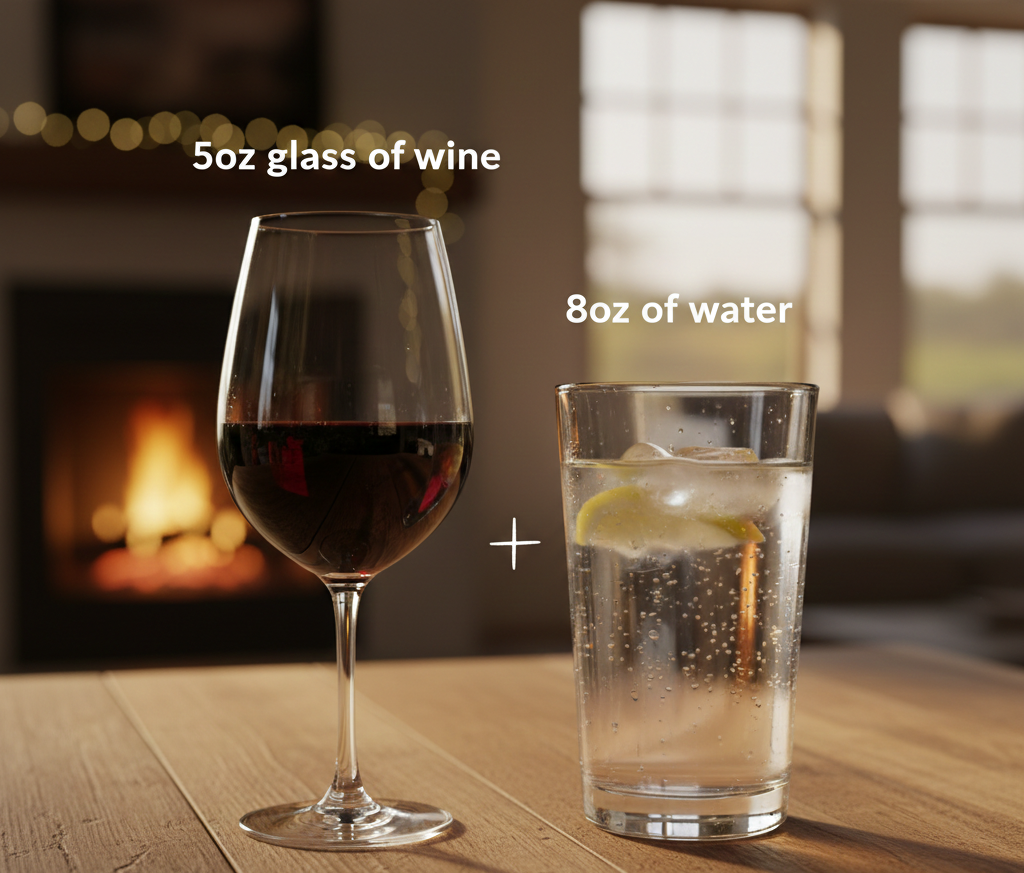
  • Hydrate 1:1: For every 5oz glass of wine, drink 8oz of water. Alcohol is a diuretic; most "wine headaches" are simply dehydration.
  • Avoid the Sugar: Cheap, mass-produced wines often have "Mega Purple" and other sugar-heavy additives. Higher sugar content leads to worse hangovers.
  • Take an Antihistamine? Some drinkers find that taking a standard over-the-counter antihistamine 30 minutes before drinking red wine eliminates their symptoms (Consult your doctor first!).

A 5oz of wine glass and a 8oz of  water glass placed on a table

How TheWineOh.app Tracks Your Well-being

We believe your wine and health journey is personal. That’s why our app goes beyond the bottle:
  • The "How I Felt" Tag: When you rate wine on the app, you can add private notes about how you felt the next morning.
  • Pattern Recognition: Over time, TheWineOh.app might notice that you only get headaches from high-tannin Italian reds, but feel great after drinking high-acid French whites.
  • Filtered Searches: Use our Digital Cellar to filter for "Low Sulfite" or "Organic" producers that have been verified by our community.

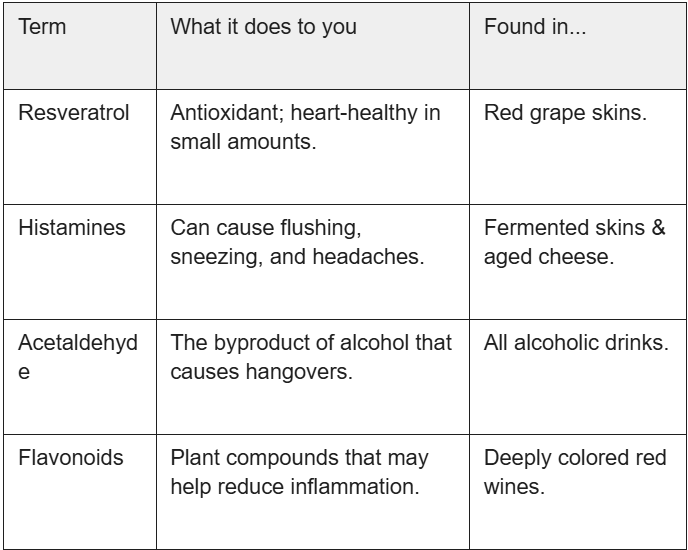
Interactive: Wine Health Flashcards

A chart showing Wine health flashcards

Conclusion: Knowledge is the Best Antidote

The "Red Wine Headache" is a complex puzzle with many pieces. While sulfites are the most famous villain, science suggests we should be looking at histamines, tannins, and our own hydration levels instead.

By using TheWineOh.app to track your sessions, you can stop guessing and start knowing exactly which wines play nice with your body.

Your Next Step:

  • The Label Check: Next time you're at the store, use our label scanner to find organic producers.
  • The Log: Next time you feel "off" after a glass, log the wine and your symptoms. Your data is the key to a better glass next time!

Related Blogs

Influencer

November 19, 2025

The Rise of Organic & Clean Wines

Consumers are shifting toward cleaner, additive-free wine experiences.
Organic vineyards are proving that sustainable farming can elevate taste and quality.
Here’s why clean wines are becoming the new favorite for mindful drinkers worldwide.

Discover More
Discover More

Influencer

November 21, 2025

Wine & Food Pairings You’ve Never Tried Before

Beyond cheese and charcuterie, the world of unexpected wine pairings is exploding.
From sushi to spicy street food, new combinations are surprising wine lovers everywhere. Discover bold pairings that elevate both the dish and the glass.

Discover More

Discover More

Influencer

November 19, 2025

Inside the Modern Winery: Technology Meets Tradition

Winemakers are blending centuries-old craftsmanship with cutting-edge tech innovations. Smart fermentation, AI-based grape analysis, and climate-controlled aging are reshaping the industry. A behind-the-scenes look at how technology is redefining experience.

Discover More
Discover More

Influencer

November 19, 2025

Women Who Are Shaping the Future of Wine

Across the globe, female winemakers and sommeliers are redefining leadership in the wine world. Their creativity, precision, and bold ideas are inspiring a new era of wine culture. Meet the women changing how the world thinks, tastes, and talks about wine.

Discover More
Discover More