How Long Will This Wine Last? (Unlocking Aging Potential)



February 15, 2026

Let’s start with a confession.
That bottle sitting on your shelf right now? The one you’ve been “saving for a special occasion” for the last three years? There’s a very real chance it’s already past its happiest moment.
And that’s not your fault.
Wine aging has been wrapped in so much mythology, prestige, and half-truth that it’s easy to assume every bottle secretly wants to become a wise old philosopher. In reality, most wines are more like great conversations. Best enjoyed while they’re fresh, expressive, and fully themselves.
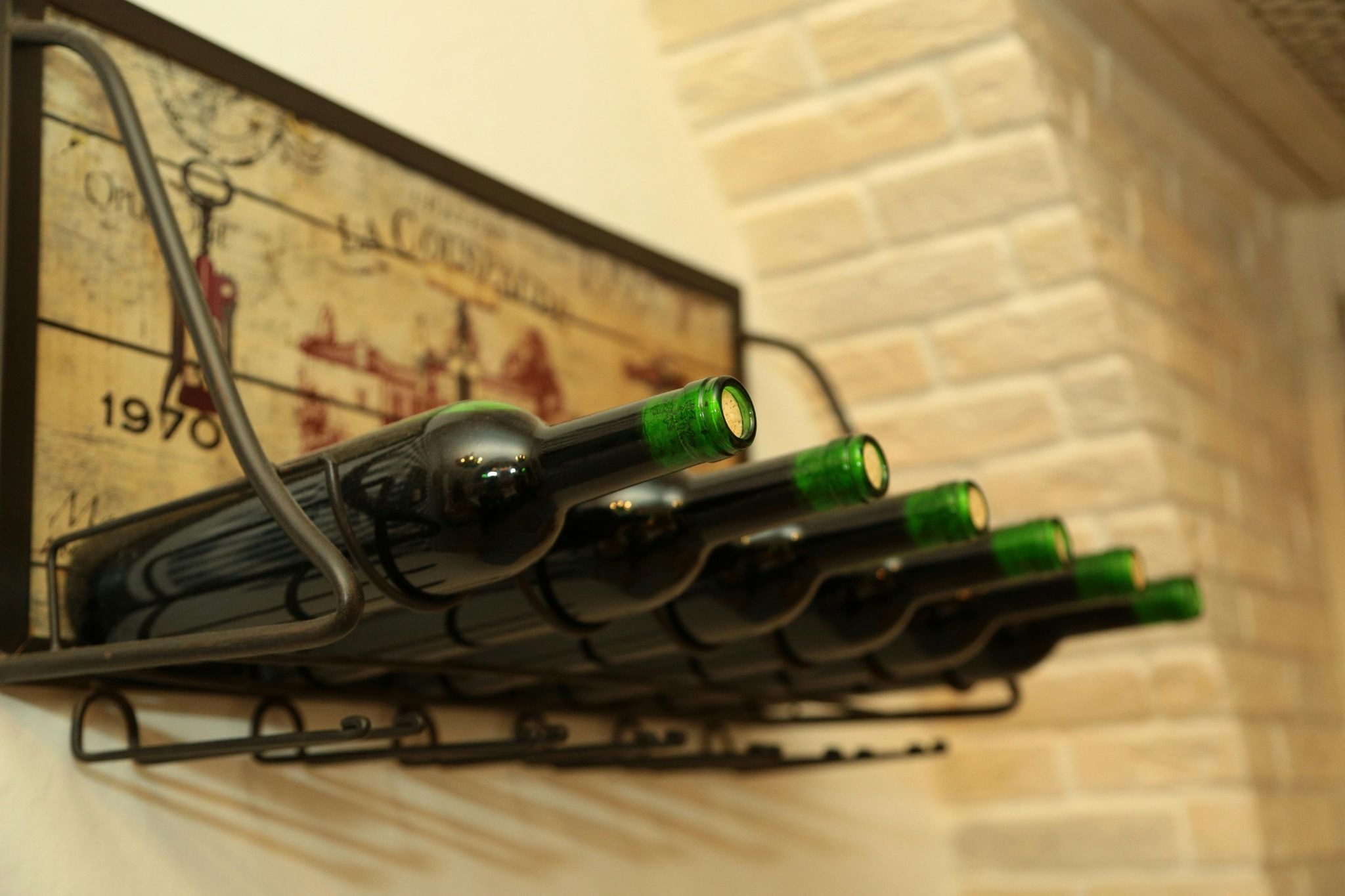
So let’s pull up a chair, open a metaphorical bottle, and talk honestly about how long wine lasts, which wines actually improve with age, and when waiting too long does more harm than good.
No velvet ropes. No intimidating jargon. Just real wine talk.
A wine's aging potential isn't random—it's chemistry dressed up in a cork. At its core, wines age through slow oxidation (tiny oxygen kisses via the cork), tannin softening, and flavor alchemy turning fruit bomb into earthy poetry. But lifespan hinges on four pillars: structure (tannins/acid), fruit intensity, balance, and maker's touch. Weak in one? It plateaus early. Rock-solid across the board? 20+ years of evolution.
Skip the myths—no, not every red "improves with age," and whites aren't doomed to fade fast. It's about preservatives: high acid zaps bacteria, tannins shield like armor, sugar/alcohol act as antifreeze. Low-water grapes from stressed vines (thick skins, low yields) pack more punch per sip, stretching the clock. Your job? Spot these clues without a lab.
Tannins are that drying, grippy handshake from red grape skins, seeds, stems (and oak). They're wine's skeleton—high levels mean longer life, as they polymerize (link up) over time, mellowing from bitter bark to velvet.
Whites rarely pack tannins (no skins), so they lean on acid. Exception: oaked Chards borrow some from barrels.
Acid is wine's battery—sharpness that fights spoilage and keeps fruit fresh. Low pH (under 3.5) = eternal youth; higher pH fades fast. Taste it as that mouth-watering zip post-sip.
Pro neighbor tip: Saliva rush after swallow? Acid's high—bottle it.
Intensity matters. Concentrated fruit (blackberry bomb, not faint strawberry) fuels the journey, evolving to leather, nuts, spice. Full-bodied wines (alcohol 13-14%, thick mouthfeel) outlast lightweights.
Balance is king: Fruit-acid-tannin harmony means graceful aging; lopsided (flabby sweet, skinny tannic) = early exit.
Winemakers tweak the clock:
Terroir seals it: Rocky soils stress vines for phenolic punch.
No crystal ball, but here's a sommelier-next-door lifespan map for common bottles. Adjust for quality/vintage/storage.
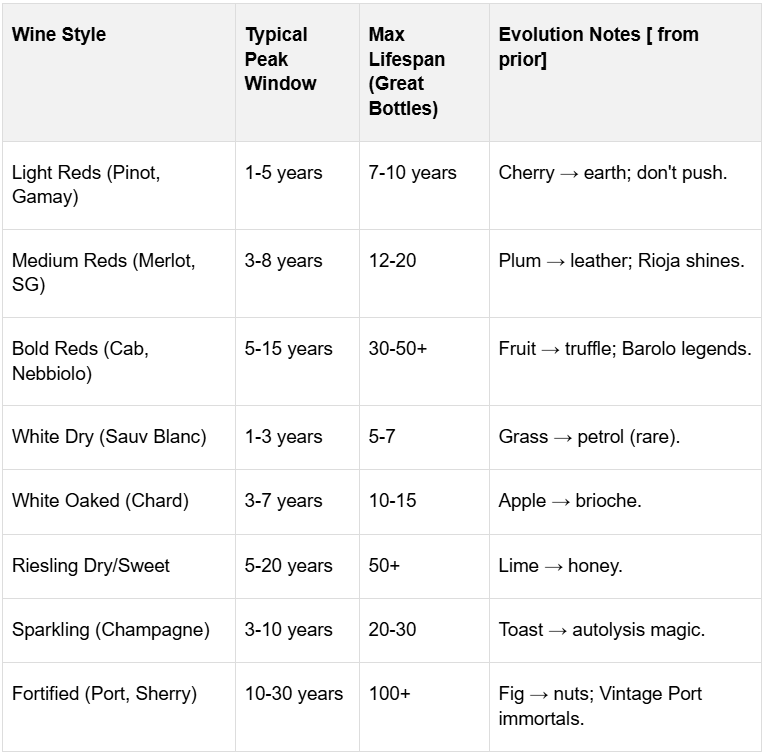
Great years stretch: 2020 Napa Cab could hit 2040.
Potential means zilch without a nursery. Wine ages via micro-oxygen (cork breathes 1mg/year)—too much/light/heat = vinegar.
Neighbor hack: Label "Taste 2028" with marker. Check yearly.
Taste evolves in phases:
Signs it's done: Fading fruit, excess brown, flat acid. Pour joyfully—no hoarding guilt.
Real talk: I aged a cheap Shiraz 12 years once—prune city. Now? Dual buys: sip one, cellar one.
Here’s something no technical guide tells you.
Sometimes the best time to open a wine isn’t about chemistry. It’s about context.
A Tuesday night that needs softening.
A friend who stayed longer than expected.
A quiet moment where you finally slow down.
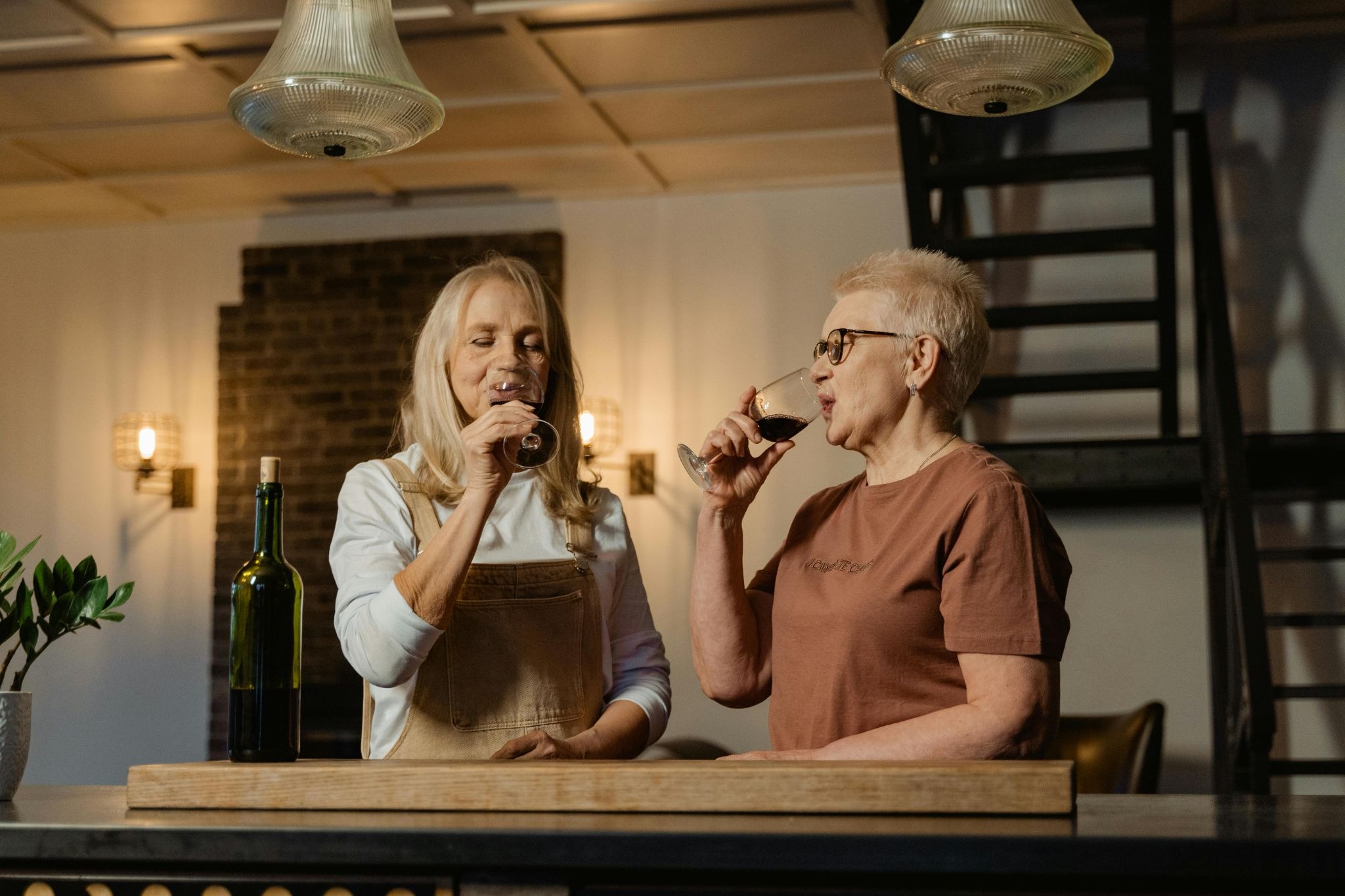
Wine doesn’t just age in bottles. It ages alongside our lives.
If you’ve been saving a wine for a “perfect moment,” consider this:
Wine doesn’t get better waiting for happiness. It gets better being part of it.
Let’s be honest. Most of us don’t have time to research every bottle.
That’s where tools like TheWineOh.app quietly shine. Instead of guessing, you can check tasting notes, community feedback, and drink-by suggestions from people who’ve already opened the bottle.
Think of it as asking a room full of wine lovers, “Hey, is this ready yet?” without the awkward group chat.
Wine knowledge doesn’t need to be locked behind expensive cellars. It can live right in your pocket.
Aged wine? Primary cherry fades to truffle symphony; tannins caress; acid anchors. A 15-year Cab: graphite whispers, silk finish. It's wine's thank-you for patience—complexity no young bottle matches.
But here's the friend's secret: Life's short. Drink 90% with dinner tonight. Age the rest for stories. Your palate will thank you. What's your cellar holding?
.svg)
Influencer
November 19, 2025
Consumers are shifting toward cleaner, additive-free wine experiences. Organic vineyards are proving that sustainable farming can elevate taste and quality. Here’s why clean wines are becoming the new favorite for mindful drinkers worldwide.
Discover More
.webp)
Influencer
November 21, 2025
Beyond cheese and charcuterie, the world of unexpected wine pairings is exploding. From sushi to spicy street food, new combinations are surprising wine lovers everywhere. Discover bold pairings that elevate both the dish and the glass.
Discover More
Influencer
November 19, 2025
Winemakers are blending centuries-old craftsmanship with cutting-edge tech innovations. Smart fermentation, AI-based grape analysis, and climate-controlled aging are reshaping the industry. A behind-the-scenes look at how technology is redefining experience.
Discover More.webp)
Influencer
November 19, 2025
Across the globe, female winemakers and sommeliers are redefining leadership in the wine world. Their creativity, precision, and bold ideas are inspiring a new era of wine culture. Meet the women changing how the world thinks, tastes, and talks about wine.
Discover More


