What’s the Smoothest Wine? A Quiet Guide to Wines That Feel Like Silk



February 1, 2026

A gentle exploration of softness in a glass
When people ask, what’s the smoothest wine?
They’re rarely asking for technical precision.
They’re asking for a feeling.
A wine that doesn’t bite.
A wine that doesn’t rush.
A wine that arrives quietly and stays just long enough.
Smoothness isn’t about being bland. It’s about balance. About nothing sticking out too sharply. About edges being softened by time, care, and intention.
Smooth wine feels like an exhale.
Smooth wine is often misunderstood.
It does not mean:
A smooth wine can still be expressive. It just doesn’t shout.
In wine terms, smoothness usually comes from:
When these elements align, the wine flows. No friction. No struggle.
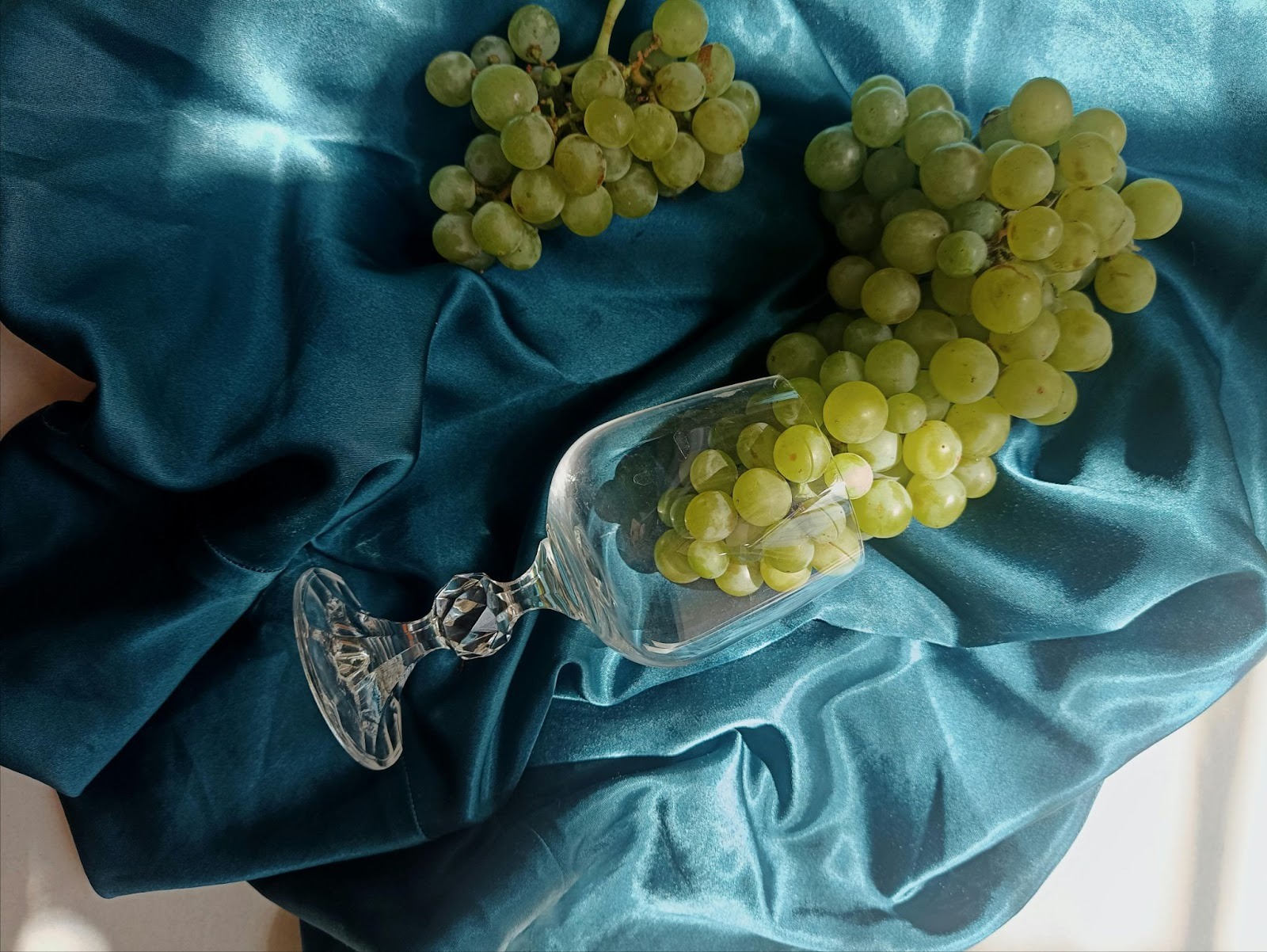
While whites can be refreshing and clean, when people crave smoothness, they usually reach for red.
Not all reds, though. Some are bold, structured, and demanding.
The smoothest wine styles tend to be reds that prioritize texture over power.
Merlot doesn’t try to impress you.
It simply shows up, soft-spoken and warm.
You’ll often find:
Tannins are gentle. Acidity is polite. The wine settles easily on the palate.
For many people, Merlot is the smoothest wine they ever meet, especially early on.
Pinot Noir is light on its feet.
It doesn’t coat your mouth heavily. It glides.
Expect:
Pinot Noir feels like fabric rather than structure. It’s often described as elegant, but what people really mean is unforced.
If smoothness to you means lightness and flow, Pinot Noir is a beautiful answer.
Grenache is often overlooked, but it deserves attention.
It offers:
Grenache doesn’t grip. It wraps.
When blended or bottled on its own, it often creates some of the smoothest wine experiences, especially when slightly chilled.
Understanding smoothness also means knowing what disrupts it.
A wine may feel less smooth if it has:
None of these are flaws. They’re just different personalities.
Smoothness prefers harmony.
Before choosing the smoothest wine, ask yourself:
Your answers already point you toward smoother styles.
Smoothness in white wine feels like cream rather than silk.
Look for:
These wines feel gentle, with lower acidity and fuller texture.
They don’t sparkle. They soothe.
Many people confuse smooth with sweet.
Sweetness can mask sharpness, but it’s not the source of smoothness.
A wine can be dry and still be the smoothest wine you’ve had.
True smoothness comes from balance, not sugar.
Time softens wine.
As wine ages:
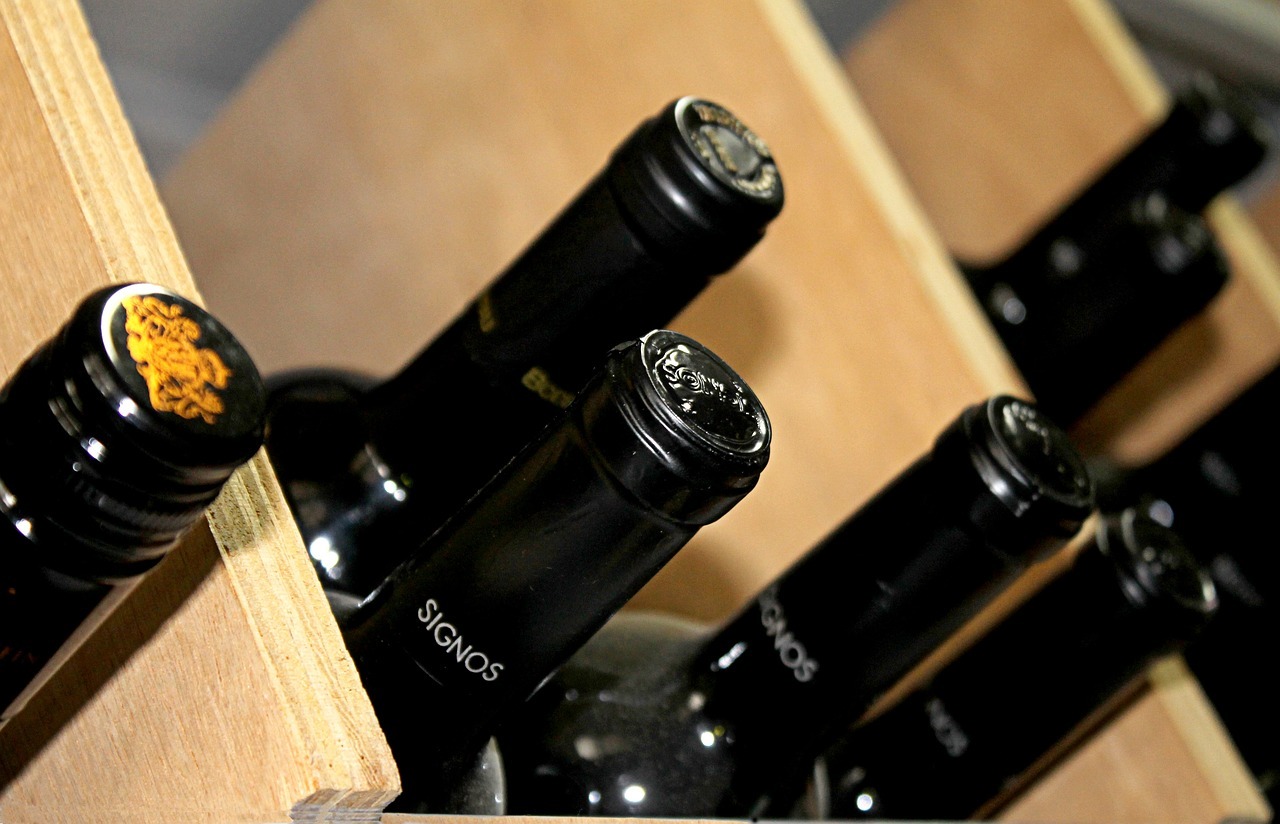
This is why some aged reds feel almost weightless.
But aging is not required for smoothness. Many wines are made to be smooth from the start.
Winemaking choices matter as much as time.
Smooth wines are often:
This means less force, less aggression.
On TheWineOh.app, when you read wine reviews that mention words like soft, rounded, velvety, you’re being guided toward smoothness without being told outright.
Think about the last wine you loved.
Did it feel:
If yes, that’s your compass.
Smoothness is personal, but patterns emerge when you pay attention.
Even the smoothest wine can feel harsh if served poorly.
A few quiet tips:
Smoothness often reveals itself when wine is allowed space.
Merlot, Grenache, soft red blends
Pinot Noir, lighter reds
Smooth blends, low-tannin styles
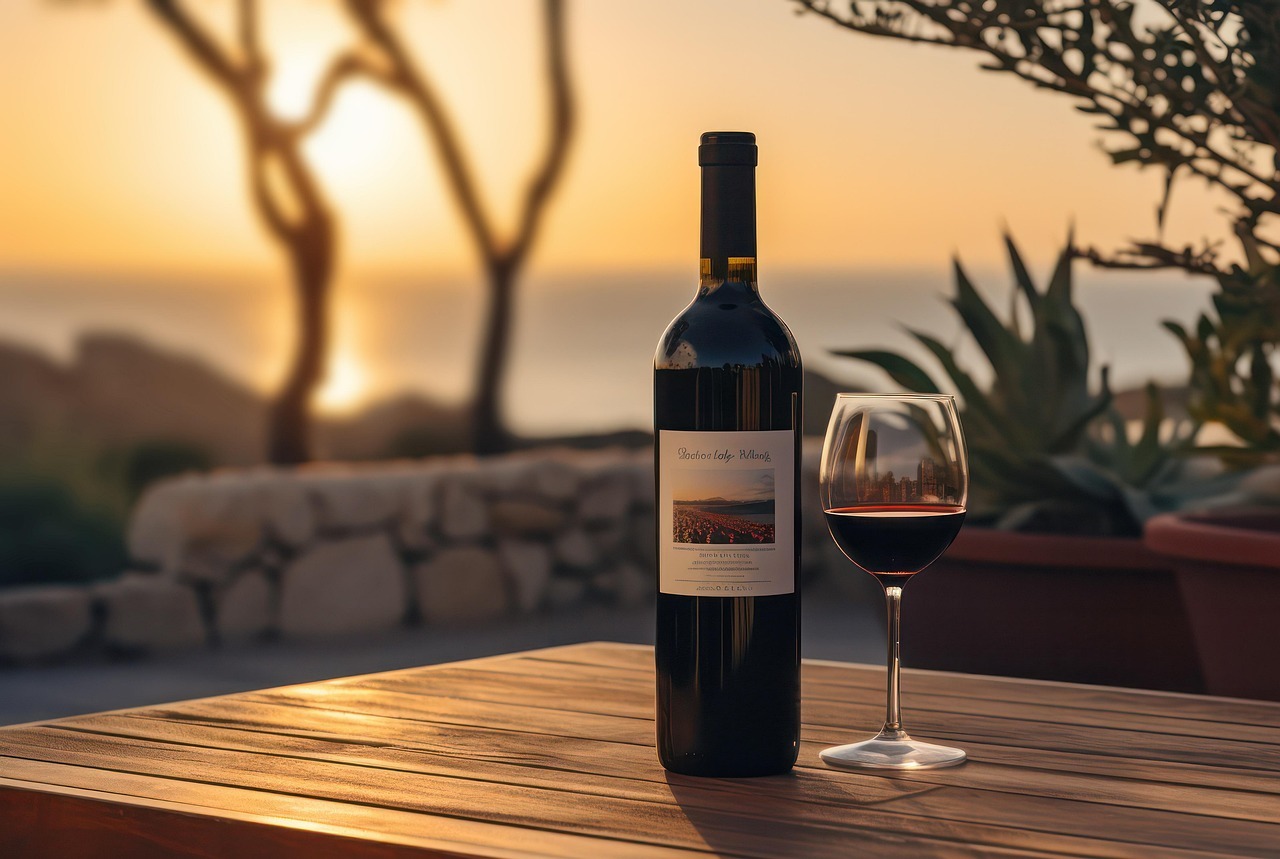
The smoothest wine often depends on the moment, not just the grape.
Smoothness becomes easier to recognize when you track experiences.
On TheWineOh.app, you can:
Over time, you’ll see a pattern emerge.
And suddenly, choosing the smoothest wine becomes intuitive.
Myth: Smooth wines are boring
Truth: They’re balanced
Myth: Only sweet wines are smooth
Truth: Many dry wines are softer
Myth: Smooth means low quality
Truth: Smooth often means thoughtful
The smoothest wine doesn’t announce itself.
It doesn’t demand analysis. It doesn’t ask for approval. It simply meets you where you are.
If a wine makes you slow down, soften your shoulders, and take another sip without thinking, you’ve found it.
That’s smoothness.
And once you know how it feels, you’ll always recognize it.
.svg)

Influencer
November 19, 2025
Consumers are shifting toward cleaner, additive-free wine experiences. Organic vineyards are proving that sustainable farming can elevate taste and quality. Here’s why clean wines are becoming the new favorite for mindful drinkers worldwide.
Discover More
.webp)
Influencer
November 21, 2025
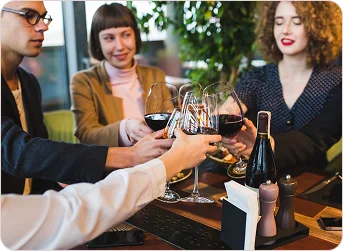
Beyond cheese and charcuterie, the world of unexpected wine pairings is exploding. From sushi to spicy street food, new combinations are surprising wine lovers everywhere. Discover bold pairings that elevate both the dish and the glass.
Discover More
Influencer
November 19, 2025
Winemakers are blending centuries-old craftsmanship with cutting-edge tech innovations. Smart fermentation, AI-based grape analysis, and climate-controlled aging are reshaping the industry. A behind-the-scenes look at how technology is redefining experience.
Discover More.webp)
Influencer
November 19, 2025
Across the globe, female winemakers and sommeliers are redefining leadership in the wine world. Their creativity, precision, and bold ideas are inspiring a new era of wine culture. Meet the women changing how the world thinks, tastes, and talks about wine.
Discover More


