Is Wine Good for Pregnancy? What Science, Data, and Doctors Actually Say




February 1, 2026

A data-led guide to understanding risk, research, and reality
Wine occupies a unique place in our lives.
It’s associated with relaxation, heart health, culture, and even longevity in certain narratives. So when pregnancy enters the picture, it’s natural for confusion to follow.
You may hear:
At the same time, you also hear:
So the question arises, quietly but persistently:
Is wine good for pregnancy?

To answer this responsibly, we need to move away from anecdotes and into data.
This article focuses on what large-scale studies, medical organizations, and long-term research actually show.
From a medical and scientific standpoint:
No amount of wine is considered safe during pregnancy.
That statement is not based on moral judgment or outdated thinking. It is based on decades of research and global medical consensus.
The rest of this article explains why that conclusion exists.
When a pregnant person consumes wine, alcohol does not remain isolated in their body.
Ethanol crosses the placenta freely.
The developing fetus lacks the enzymes needed to process alcohol.
This means alcohol stays in the fetal bloodstream longer and at similar concentrations.
In practical terms:
This biological fact is central to why the question is wine good for pregnancy has a consistent scientific answer.
Major health authorities around the world align on this issue.
This consistency across countries and cultures is significant. It reflects strong agreement in the medical community.
Alcohol exposure during pregnancy is linked to a range of developmental conditions collectively known as FASD.
These may include:
One important point:
FASD does not require heavy drinking to occur.
Even low or occasional exposure has been associated with subtle neurological effects in some studies.
The unpredictability of outcomes is why guidelines err on the side of zero exposure.
A common argument is that one glass of wine occasionally cannot possibly cause harm.
From a data perspective, the issue is not frequency alone. It is variability.
Factors include:
Because no test can determine which fetus is more vulnerable, public health guidance applies universally.
This is why research does not define a “safe threshold.”
Red wine is often associated with antioxidants like resveratrol.
Outside pregnancy, moderate consumption has been studied for potential cardiovascular benefits.
However:
From a data standpoint, wine offers no unique nutritional benefit during pregnancy that cannot be obtained elsewhere.
Some point to countries where moderate drinking during pregnancy was historically common.
However:
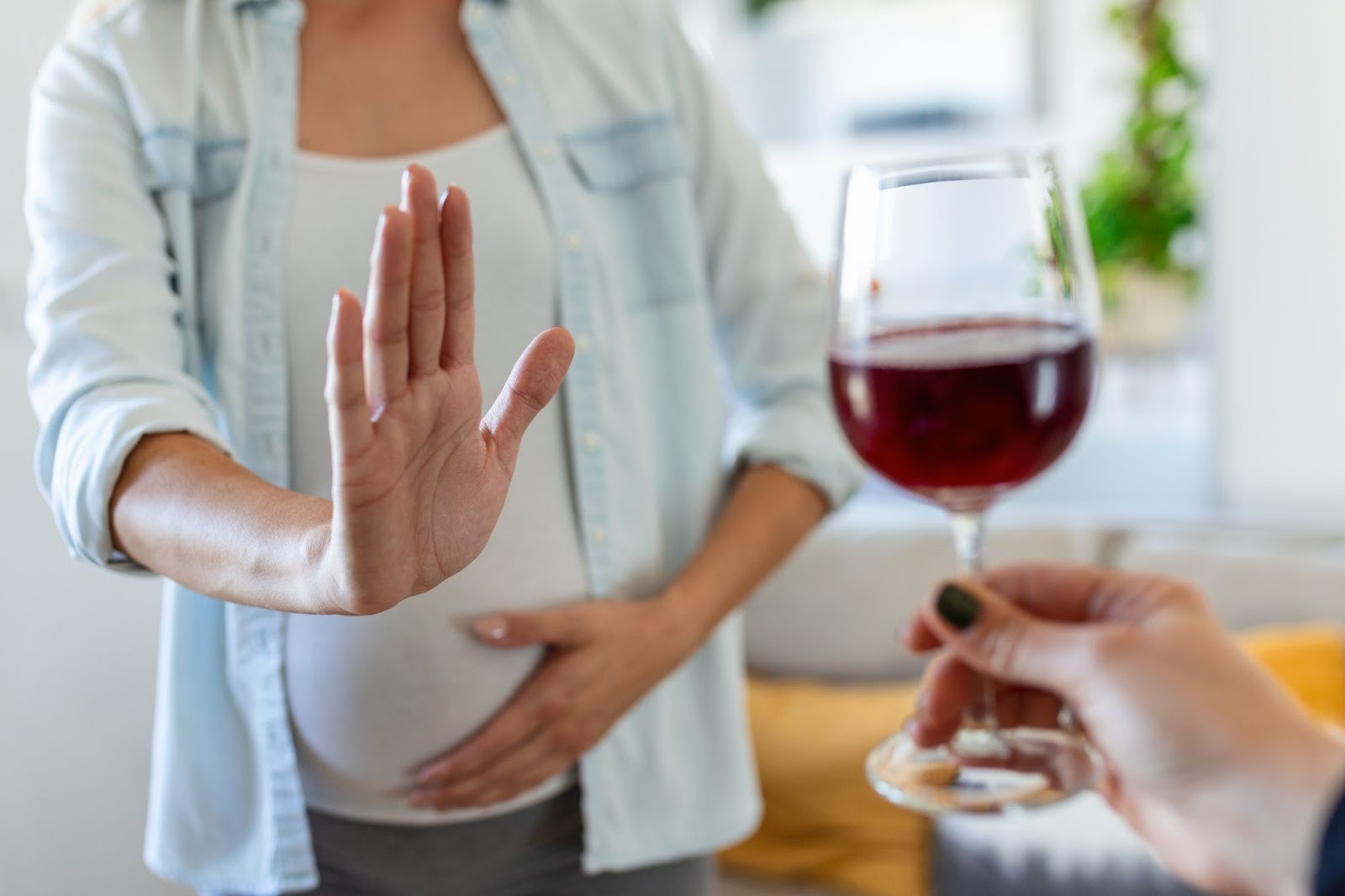
Cultural anecdotes do not outweigh controlled studies.
Longitudinal studies tracking children exposed to alcohol in utero have observed:
Importantly, some of these effects appear even when physical signs are absent.
This reinforces why the question is wine good for pregnancy is evaluated through long-term outcomes, not immediate effects.
In public health, when:
The recommendation is avoidance.
Alcohol during pregnancy fits all three criteria.
It’s important to acknowledge that this topic can feel emotionally charged.
Wine may represent:
Medical guidance does not dismiss those feelings. It simply prioritizes fetal safety during a temporary period.
Reframing helps:
This is not about restriction forever.
It’s about protection during a specific window.
Many people worry about wine consumed before knowing they were pregnant.
Data shows:
Healthcare providers emphasize reassurance and continued prenatal care, not guilt.
Data shows that replacing rituals helps adherence.
Common alternatives include:
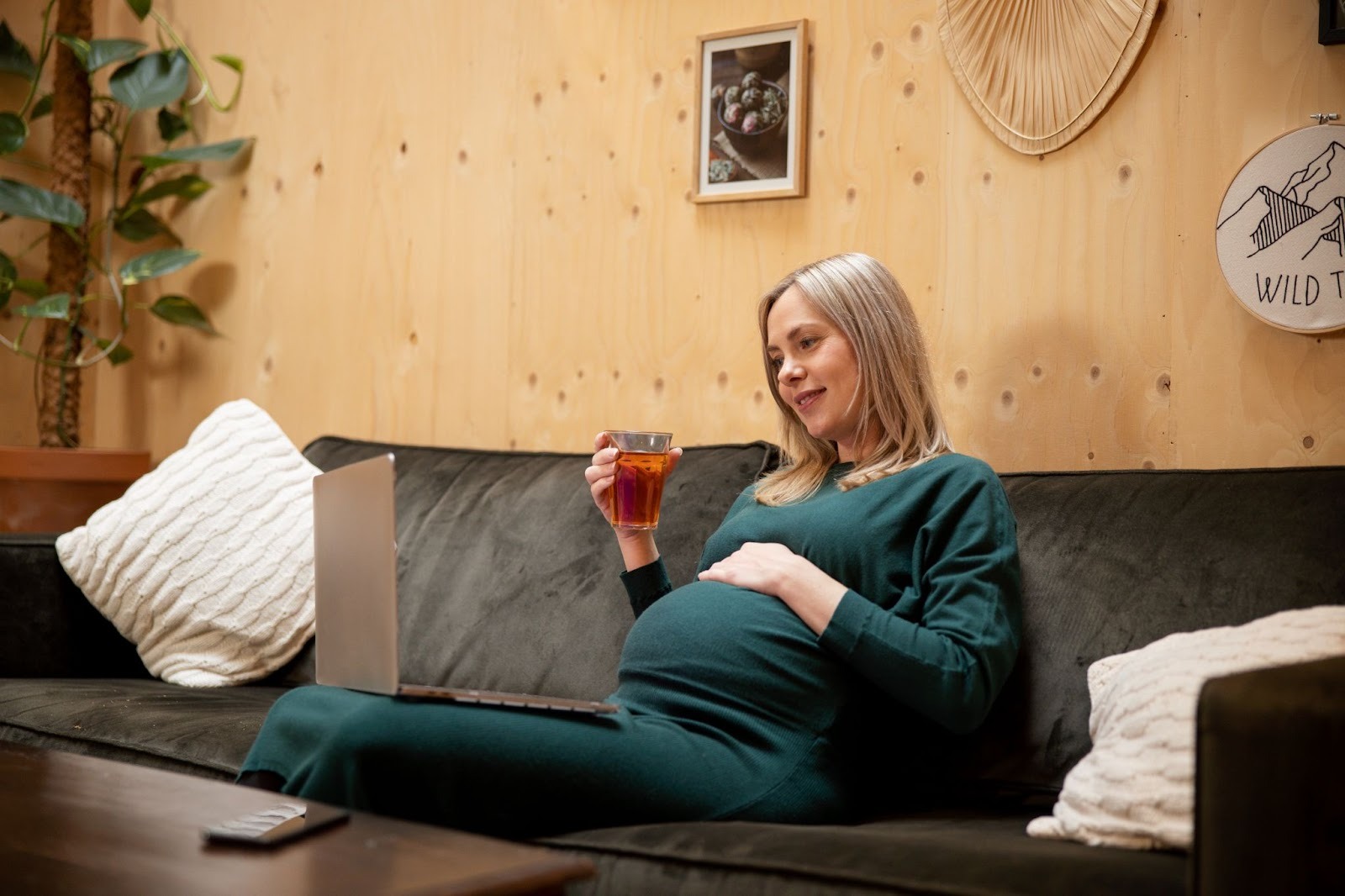
The goal is not deprivation, but substitution.
For wine lovers planning pregnancy or supporting someone who is pregnant, education matters.
Platforms like TheWineOh.app can help by:
Wine appreciation and responsibility are not opposites.
Myth: One glass occasionally is proven safe
Data: No study establishes a safe threshold
Myth: Red wine is beneficial during pregnancy
Data: Benefits can be obtained without alcohol
Myth: Only heavy drinking causes harm
Data: Risk exists on a spectrum
From a data-led perspective, the answer to is wine good for pregnancy remains no.
This topic deserves clarity, not fear.
Medical guidance exists to reduce risk, not to shame. Pregnancy is a temporary period with permanent implications.
Choosing to avoid wine during pregnancy is not about losing pleasure. It’s about prioritizing development during a critical window.
Data does not ask for perfection. It asks for informed decisions.
And in this case, informed decisions point in one clear direction.
.svg)



Influencer
November 19, 2025
Consumers are shifting toward cleaner, additive-free wine experiences. Organic vineyards are proving that sustainable farming can elevate taste and quality. Here’s why clean wines are becoming the new favorite for mindful drinkers worldwide.
Discover More
.webp)
Influencer
November 21, 2025
Beyond cheese and charcuterie, the world of unexpected wine pairings is exploding. From sushi to spicy street food, new combinations are surprising wine lovers everywhere. Discover bold pairings that elevate both the dish and the glass.
Discover More
Influencer
November 19, 2025
Winemakers are blending centuries-old craftsmanship with cutting-edge tech innovations. Smart fermentation, AI-based grape analysis, and climate-controlled aging are reshaping the industry. A behind-the-scenes look at how technology is redefining experience.
Discover More.webp)
Influencer
November 19, 2025
Across the globe, female winemakers and sommeliers are redefining leadership in the wine world. Their creativity, precision, and bold ideas are inspiring a new era of wine culture. Meet the women changing how the world thinks, tastes, and talks about wine.
Discover More


