Is It Okay to Drink Wine Every Day? Let’s Talk About It Honestly


February 1, 2026

A calm, honest conversation over a glass
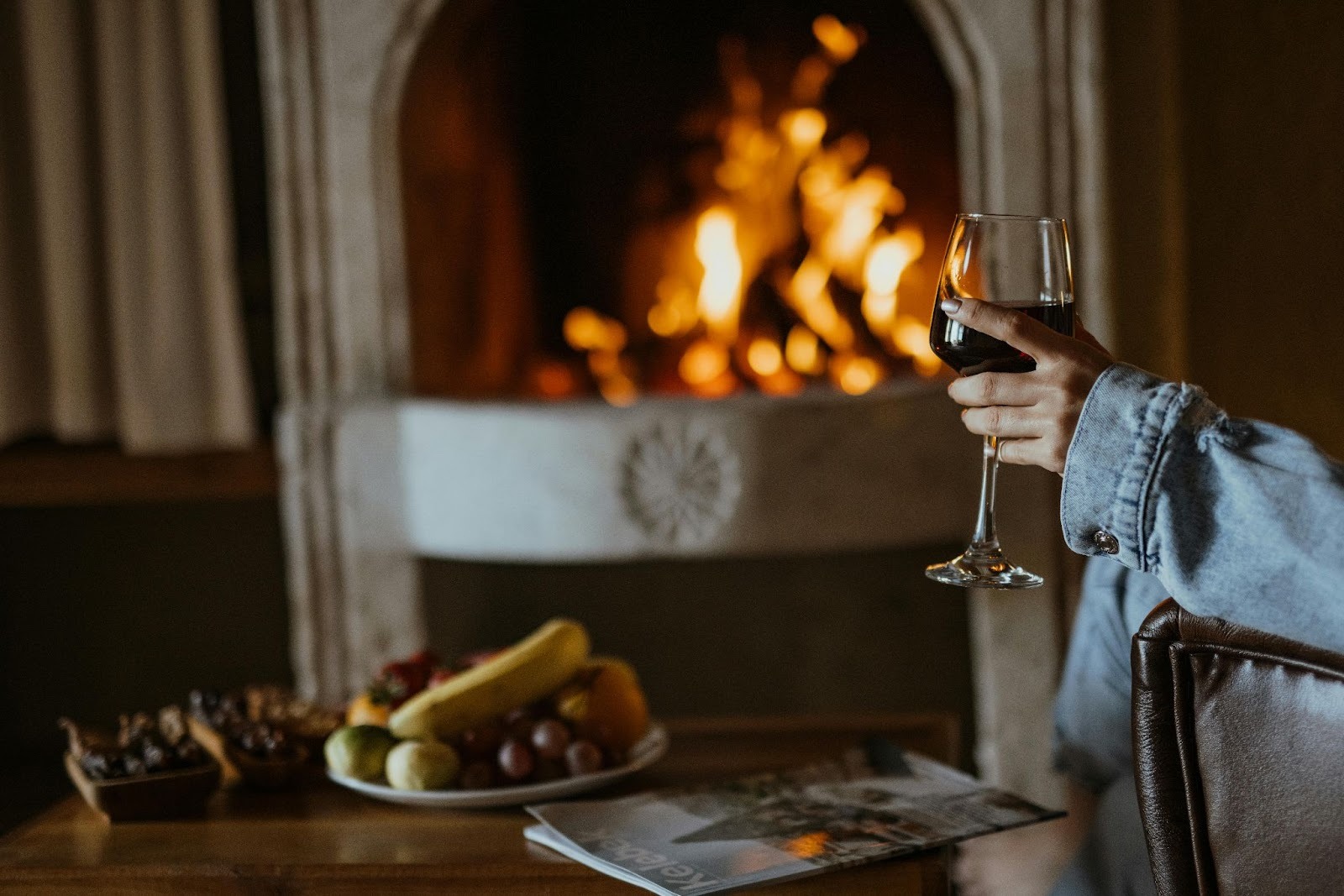
It’s evening. The day has finally loosened its grip.
You pour a glass of wine. Not a dramatic pour. Just enough.
It’s familiar. Comforting. A small ritual that says, the day is done.
And somewhere between the first sip and the second, the thought appears:
“Is it okay to drink wine every day?”
Not in panic. Not in guilt. Just curiosity.
If you’ve ever had that thought, you’re in very good company. This question shows up for beginners, enthusiasts, and seasoned wine lovers alike. And it deserves a real answer. Not a dramatic headline. Not a moral lecture.
Just an honest conversation. So let’s talk about it.
Before we go any further, let’s agree on something important.
Drinking wine does not make you irresponsible.
Enjoying wine does not mean you lack discipline.
Questioning your habits means you’re aware, not guilty.
Wine has been part of human culture for thousands of years. It’s been a companion to meals, conversations, celebrations, and quiet evenings. The question isn’t whether wine is “good” or “bad.”
The real question behind is it okay to drink wine every day is usually this:
Am I drinking with awareness, or am I drinking on autopilot?
That’s a very different conversation.
When someone asks, “Is it okay to drink wine every day?”, they’re often asking one of these:
Notice how none of these are really about wine itself. They’re about relationships.
And relationships are nuanced.
“Every day” sounds heavier than it often is.
There’s a difference between:
So when asking is it okay to drink wine every day, the more useful follow-up questions are:
Context matters more than frequency.
You’ve probably heard conflicting things.
One article says wine is good for your heart.
Another says no amount of alcohol is safe.
Another praises antioxidants.
Another warns against daily drinking.
It’s confusing.
Here’s the grounded, companion-style truth:
Moderate wine consumption has been associated with some benefits in certain contexts. Excessive or mindless drinking is where risks begin to outweigh enjoyment.
Moderation is not a buzzword. It’s practical.
If you’re staying within these boundaries and feeling good physically and mentally, the conversation shifts from danger to awareness.
This is not a test. Just a moment of curiosity.
Ask yourself:
Mindful wine drinking isn’t about restriction. It’s about presence.
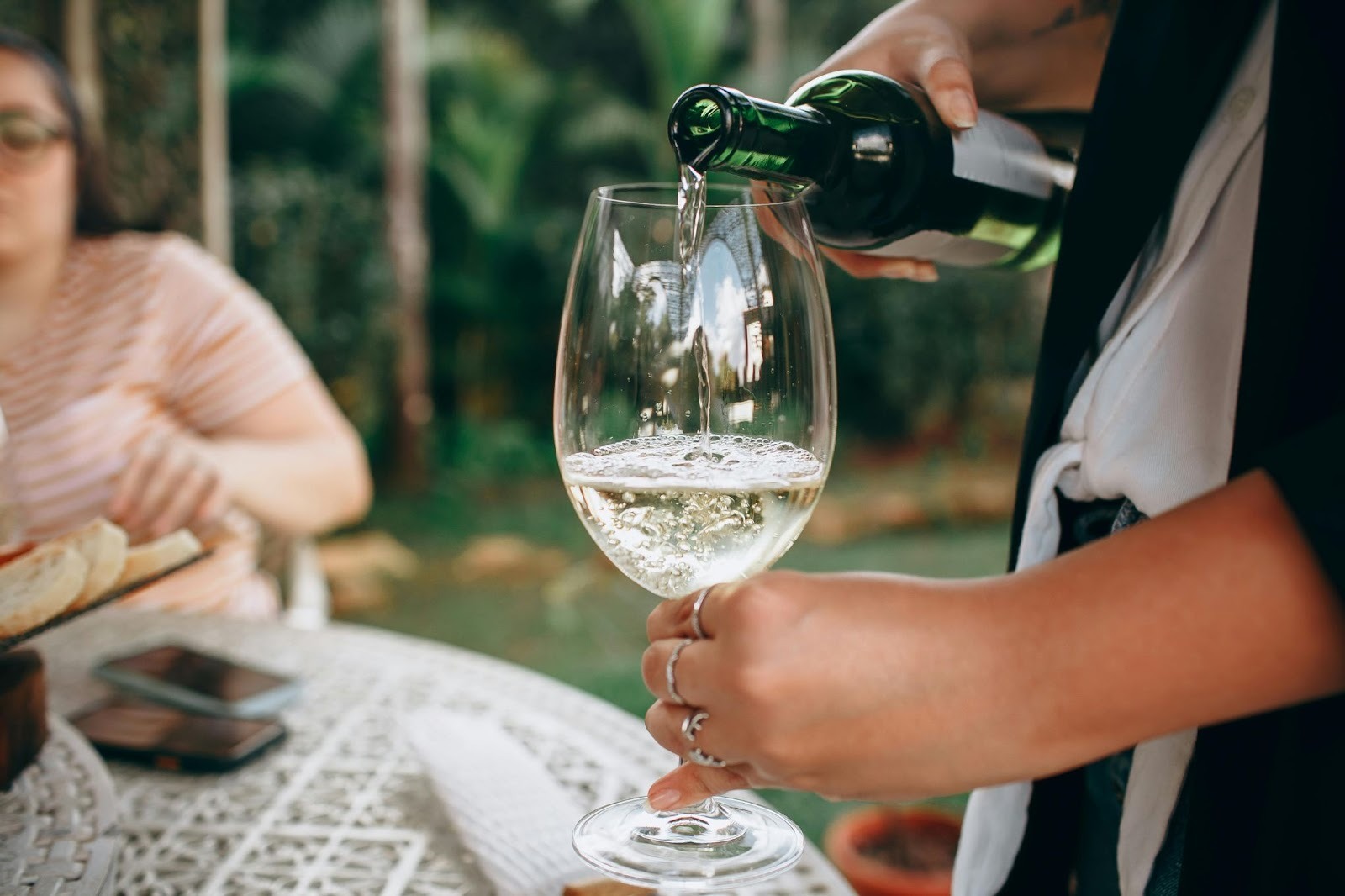
On TheWineOh.app, many users notice that once they start rating wines and paying attention to flavors, they naturally slow down. Awareness has a way of doing that.
Habits aren’t bad. We brush our teeth daily. We drink tea daily. We might journal daily.
The question is whether the habit feels conscious or compulsive.
Enjoyment feels like:
Autopilot feels like:
If wine still feels like a choice, you’re in a healthy space.
Take a moment. Answer honestly.
- I enjoy the taste of wine
- I can skip wine without irritation
- I usually drink one glass, not several
- I pair wine with food or moments, not stress
- I remember the wines I enjoy
If most boxes are checked, your relationship with wine is likely balanced.
If a few feel uncomfortable, that’s not failure. That’s awareness.
A “glass” of wine is often misunderstood.
A standard pour is about 150 ml. Many home pours are larger.
Daily wine becomes a concern mostly when:
This isn’t about counting every sip. It’s about noticing patterns.
In many cultures, wine with meals is normal. It’s slow. It’s social. It’s food-adjacent.
What raises flags is when wine becomes:
Enjoyment expands your life. Dependence narrows it.
That distinction is more important than “every day.”
Wine works beautifully as a ritual.
Opening a bottle. Pouring slowly. Smelling. Tasting. Sitting with it.
Wine doesn’t work well as a remedy for exhaustion, anxiety, or emotional overload. That’s too heavy a job for a beverage.
A helpful question:
If wine wasn’t available tonight, what else could bring me ease?
If you have answers, you’re doing fine.
Here’s something interesting.
People who log and rate wines tend to drink more intentionally. Not more. Just more consciously.
On TheWineOh.app, you can:
It subtly shifts wine from consumption to experience.
And when wine becomes an experience, excess loses its appeal.
Answer instinctively.
Mostly A’s suggest mindfulness. Mostly B’s suggest autopilot.
No judgment. Just information.
Let’s be honest. Sometimes wine is emotional.
It marks transitions.
It softens edges.
It feels like a reward.
That’s not wrong.
But wine shouldn’t be the only emotional support in your life. When it’s one part of a larger picture, it stays healthy.
Ask yourself:
Balance is about options.
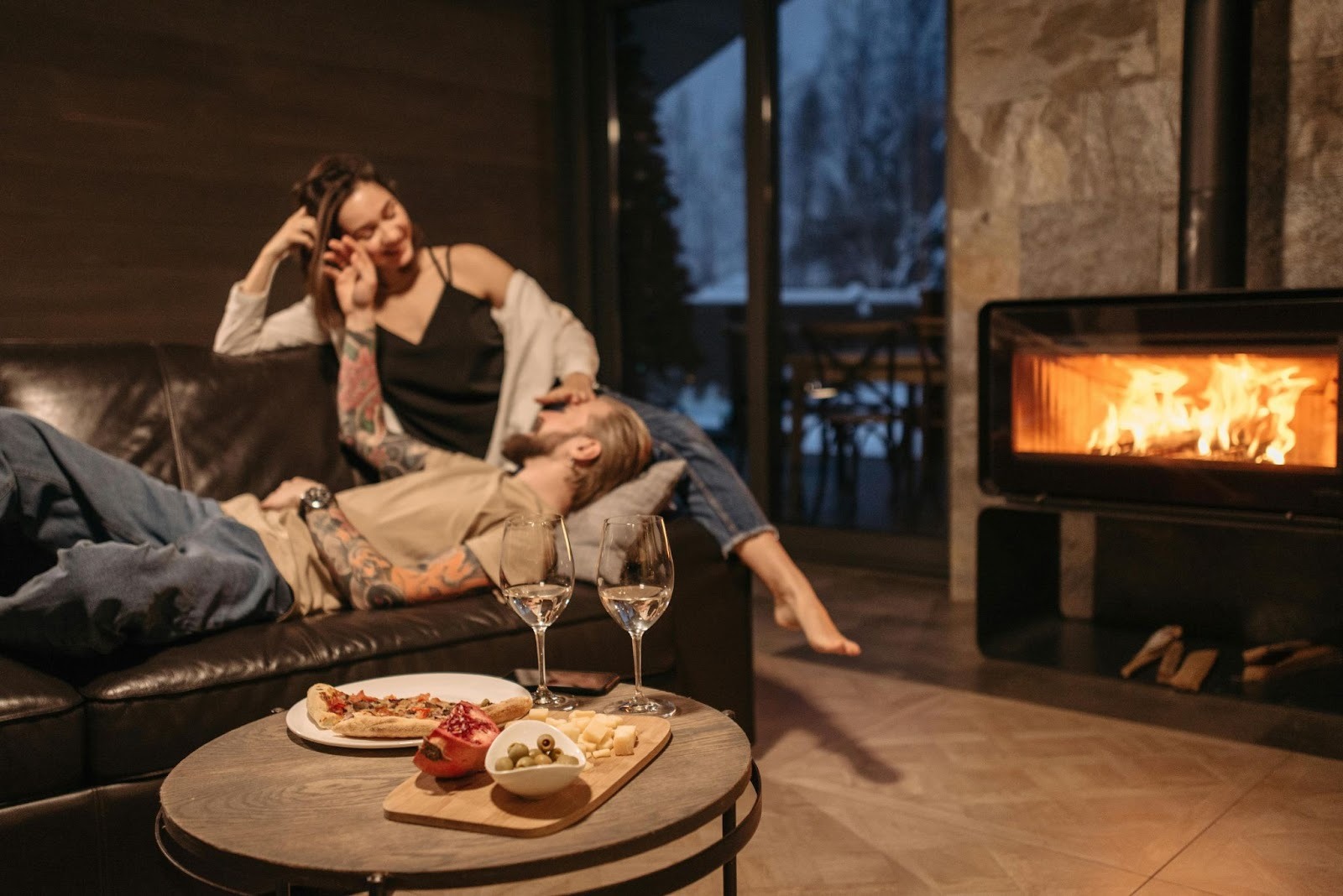
Taking breaks doesn’t mean you’ve done something wrong.
Alcohol-free days can:
They’re not about discipline. They’re about listening.
And if taking a break feels hard, that’s useful information, not a verdict.
Here’s the honest, conversational answer:
It can be okay for some people, in some contexts, in mindful amounts.
It can also quietly drift into something less healthy if left unchecked.
The key factors are:
Wine should add to your life, not blur it.
Next time you pour a glass, try this:
Before the first sip, pause and ask: Am I choosing this, or reaching for it?
That single question keeps the relationship healthy.
Wine doesn’t need guilt to be enjoyed. It needs presence.
And when enjoyed with awareness, wine remains what it was always meant to be: a companion, not a crutch.
.svg)
Influencer
November 19, 2025
Consumers are shifting toward cleaner, additive-free wine experiences. Organic vineyards are proving that sustainable farming can elevate taste and quality. Here’s why clean wines are becoming the new favorite for mindful drinkers worldwide.
Discover More
.webp)
Influencer
November 21, 2025
Beyond cheese and charcuterie, the world of unexpected wine pairings is exploding. From sushi to spicy street food, new combinations are surprising wine lovers everywhere. Discover bold pairings that elevate both the dish and the glass.
Discover More
Influencer
November 19, 2025
Winemakers are blending centuries-old craftsmanship with cutting-edge tech innovations. Smart fermentation, AI-based grape analysis, and climate-controlled aging are reshaping the industry. A behind-the-scenes look at how technology is redefining experience.
Discover More.webp)
Influencer
November 19, 2025
Across the globe, female winemakers and sommeliers are redefining leadership in the wine world. Their creativity, precision, and bold ideas are inspiring a new era of wine culture. Meet the women changing how the world thinks, tastes, and talks about wine.
Discover More


