How to Read (and Actually Understand) a Wine Label Without Feeling Lost


February 1, 2026

Let’s start with a moment you’ve probably lived.
You’re standing in front of a shelf of wine. Or scrolling online. Labels everywhere. Some look elegant. Some look loud. Some look like they’re written in another language entirely.
You pick one up, turn it around, and think:
“I have no idea what any of this means.”
If that sounds familiar, take a breath. You’re not behind. You’re exactly where most wine drinkers start.
Wine labels aren’t meant to test you. They’re meant to inform you. The problem is, no one ever explains how.
So let’s do that together. Slowly. Casually. Like we’re figuring it out over a glass.
A wine label is not a riddle.
It’s not a secret code for experts only.
It’s simply trying to answer a few basic questions:
Once you know where to look, everything else becomes background noise.
Think of the front label as the introduction. It won’t tell you everything, but it sets the tone.
This is who made the wine.
Sometimes it’s written clearly. Sometimes it’s subtle. Sometimes it’s a family name you don’t recognize.
Beginner reassurance:
You don’t need to know every producer. Over time, you’ll notice names you like. That’s how preferences form.
Some wines are named after:
If the name doesn’t immediately help you, that’s okay. The useful clues usually come next.
If the label says something like:
That’s straightforward. It tells you the main grape used.
But sometimes… it doesn't say any grapes at all.
That’s not a trick. In many traditional regions, wines are named by place, not grape. You’re not expected to know this instantly.
Curious thought:
When you choose wine, do you usually think in grapes or in vibes? Both are valid.
This is one of the most important parts of learning how to read a wine label.
The region tells you:
Examples might include:
You don’t need to memorise geography. Just notice patterns over time.
“I usually like wines from here.”
That’s enough.
The year tells you when the grapes were harvested.
Important beginner truth:
Older does not always mean better.
Some wines are meant to be fresh and young. Others improve with time. The label won’t always tell you which one this is, and that’s okay.
Wine is not a time competition.
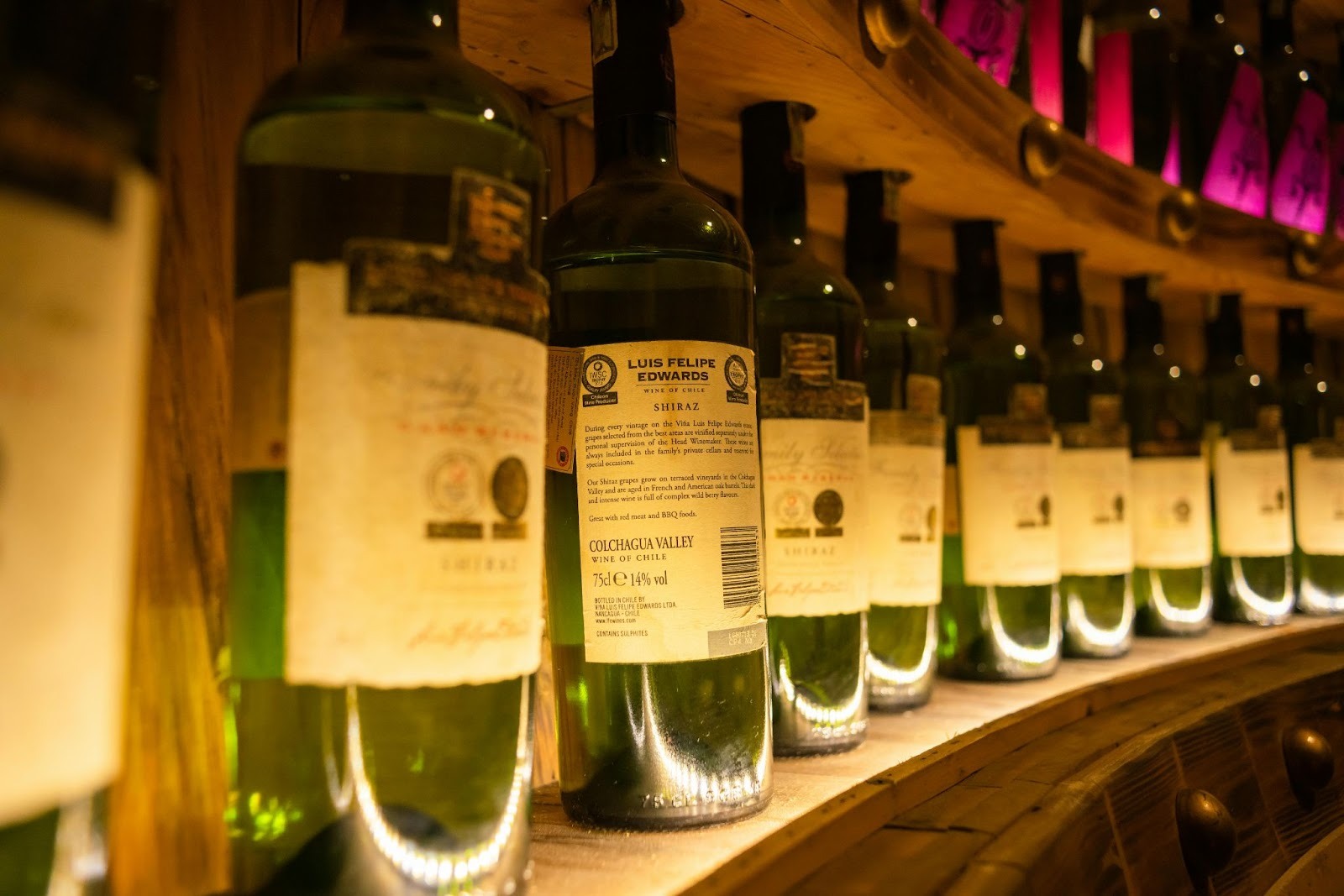
Now turn the bottle around. This is where labels usually become friendlier.
You might see words like:
These are descriptions, not promises.
They’re meant to give you a general idea, not guarantee an experience. If you don’t taste exactly what’s written, you didn’t do anything wrong.
Wine tasting is personal.
This one matters more than people realise.
ABV tells you:
Very roughly:
It’s not a rule. It’s a clue.
Some labels include:
This isn’t marketing fluff. It’s context.
And context makes wine feel human.

Let’s gently demystify a few common ones.
You don’t need to remember all of these. Just recognise them when you see them.
This part is important.
A wine label cannot tell you:
That’s where experience comes in.
This is why tools like TheWineOh.app feel so natural alongside label reading. You can log wines you’ve tried, see how others experienced them, and start noticing your own patterns. Over time, labels stop being confusing because they start connecting to memories.
“Oh, I’ve liked wines like this before.” That’s real learning.
When you’re looking at a wine label, ask:
If you can answer even three of these, you’re doing great.
Myth 1: If I don’t understand it, it’s not for me
Truth: Understanding comes after curiosity.
Myth 2: Fancy labels mean better wine
Truth: Design and quality are separate things.
Myth 3: I need to memorise regions and grapes
Truth: You need patterns, not memorisation.
No one reads wine labels perfectly from day one.
You learn by:
Wine confidence grows quietly.
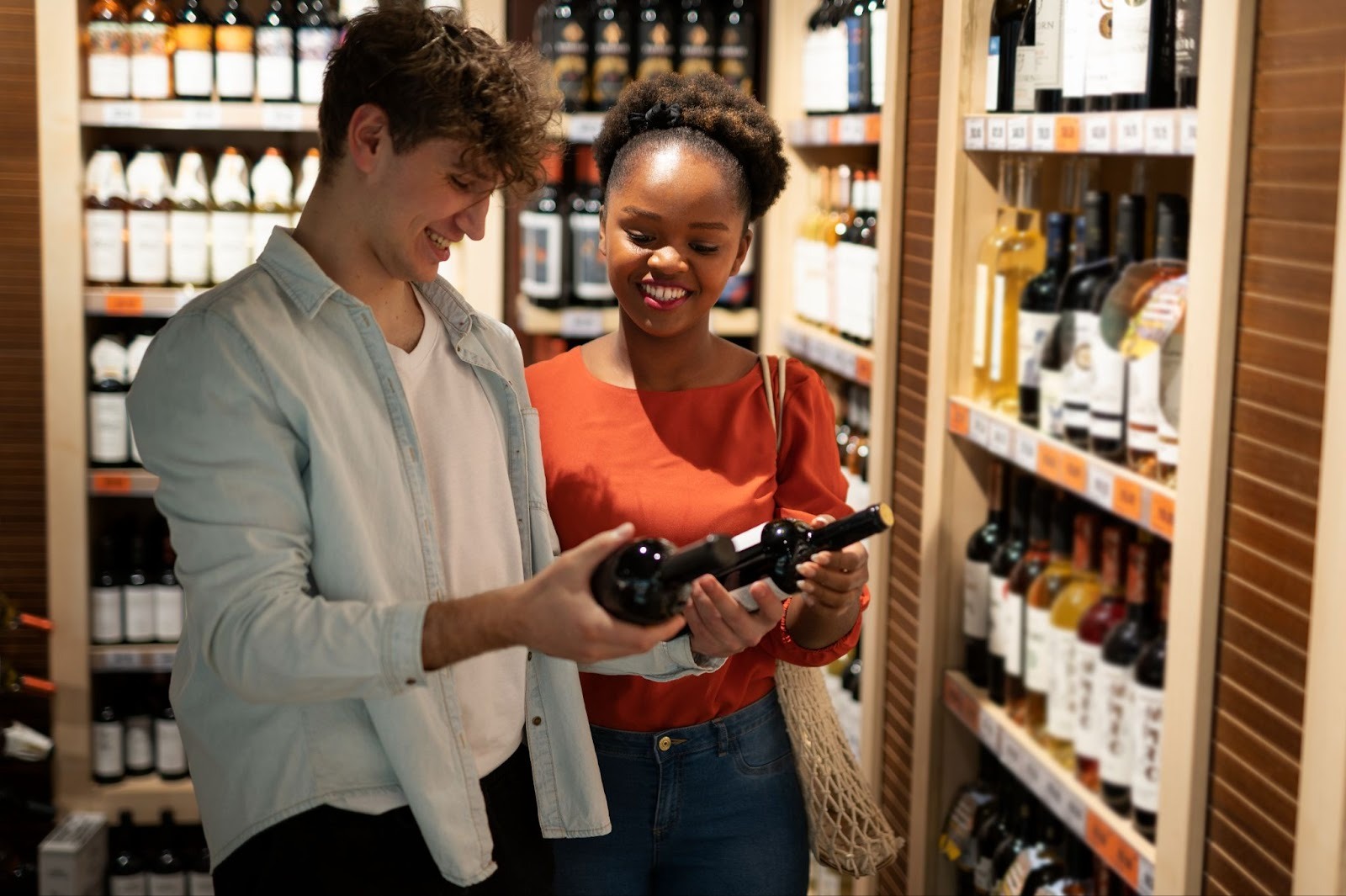
And the more you connect labels to real experiences—dinners, conversations, moods—the more intuitive it becomes.
If you’ve ever felt intimidated by a wine label, you’re not alone. And you’re not failing.
You’re just at the beginning of understanding.
Wine labels don’t ask you to prove anything. They simply offer information.
The rest—the enjoyment, the preference, the confidence—that comes with time.
One bottle at a time. One conversation at a time.
.svg)
Influencer
November 19, 2025
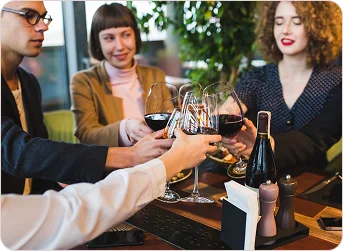
Consumers are shifting toward cleaner, additive-free wine experiences. Organic vineyards are proving that sustainable farming can elevate taste and quality. Here’s why clean wines are becoming the new favorite for mindful drinkers worldwide.
Discover More
.webp)
Influencer
November 21, 2025
Beyond cheese and charcuterie, the world of unexpected wine pairings is exploding. From sushi to spicy street food, new combinations are surprising wine lovers everywhere. Discover bold pairings that elevate both the dish and the glass.
Discover More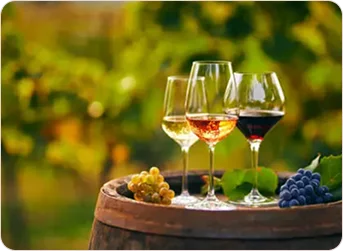
Influencer
November 19, 2025
Winemakers are blending centuries-old craftsmanship with cutting-edge tech innovations. Smart fermentation, AI-based grape analysis, and climate-controlled aging are reshaping the industry. A behind-the-scenes look at how technology is redefining experience.
Discover More.webp)
Influencer
November 19, 2025
Across the globe, female winemakers and sommeliers are redefining leadership in the wine world. Their creativity, precision, and bold ideas are inspiring a new era of wine culture. Meet the women changing how the world thinks, tastes, and talks about wine.
Discover More


