How Should I Store Wine Properly? The Data-Led Guide




February 17, 2026

Imagine you’ve just moved into your dream home. You’ve spent a decade collecting special bottles—a vintage Port from your birth year, a Napa Cabernet from your wedding, and a few "unicorn" Burgundies you’ve been saving for a 50th birthday. You decide to display them on a beautiful custom rack in your sun-drenched kitchen. It looks spectacular.
Six months later, you pop the cork on that wedding Cabernet. Instead of the expected notes of velvet and dark fruit, it tastes like wet cardboard and vinegar. The wine is "cooked."
The culprit? Not a bad cork or a flawed vintage, but the 85°F afternoon sun and the vibration from your refrigerator.
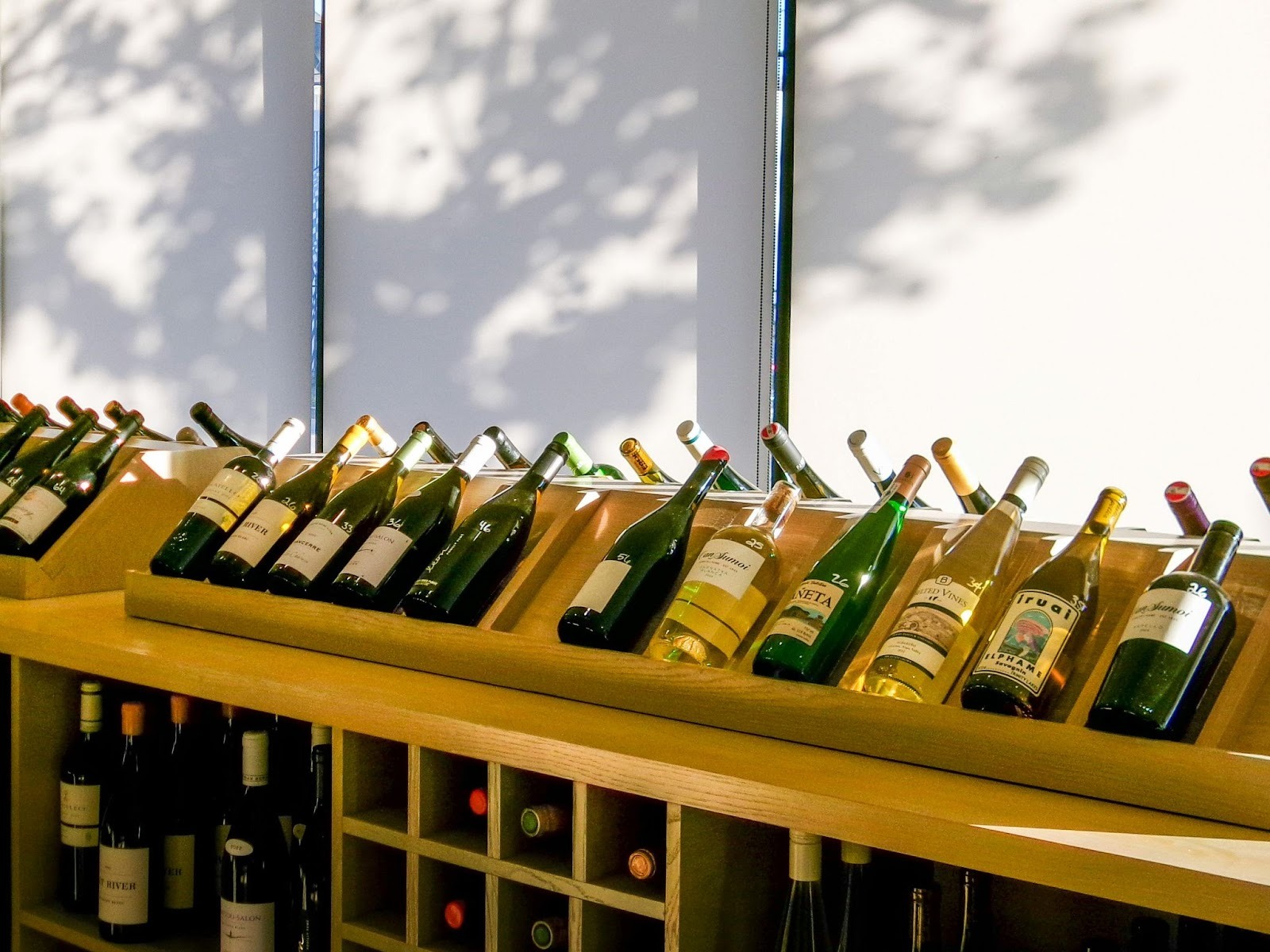
If you’re wondering, "How should I store my wine properly?", you aren't just asking for decor advice—you are asking for a preservation strategy. At TheWineOh.app, we treat wine storage like a science because, quite frankly, it is. Chemical reactions are happening inside that glass every second. Today, we’re looking at the hard data behind the four enemies of wine: Heat, Light, Vibration, and Dryness.
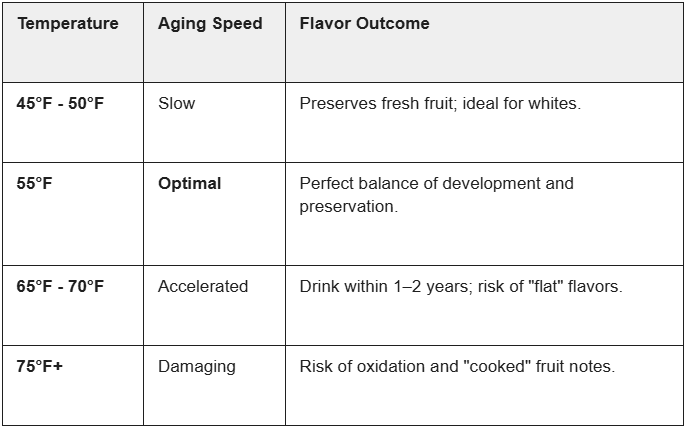
If you remember only one number from this guide, make it 55°F (13°C). This is widely considered the "sweet spot" for long-term aging.
Chemical reactions double in speed for every 18°F (10°C) increase in temperature. If you store your wine at room temperature (72°F) instead of 55°F, it will age significantly faster—but not in a good way. It becomes "flat," losing its aromatic complexity and bright acidity.
You aren't just storing liquid; you’re storing a cork. A natural cork is a sponge that requires moisture to stay expanded and airtight.
The data suggests that 50% to 70% humidity is ideal.
Go to your current wine storage area and check off these boxes:
Results: If you checked fewer than 3 boxes, it’s time to move your wine!
There is a reason why red wine usually comes in dark green or amber bottles. It’s "sunglasses" for the wine.
Light-strike (or goût de lumière) happens when UV rays penetrate the glass and react with riboflavin (Vitamin B2) and amino acids in the wine. This creates sulfur compounds that smell like wet wool.
Why do we store wine on its side? To keep the cork wet. An elastic, wet cork creates a "hermetic seal." If stored upright, the cork dries out, becomes brittle, and eventually fails.
Frequent vibration (like from a laundry machine or a heavy-duty refrigerator compressor) agitates the sediment in older wines and can speed up chemical breakdowns.
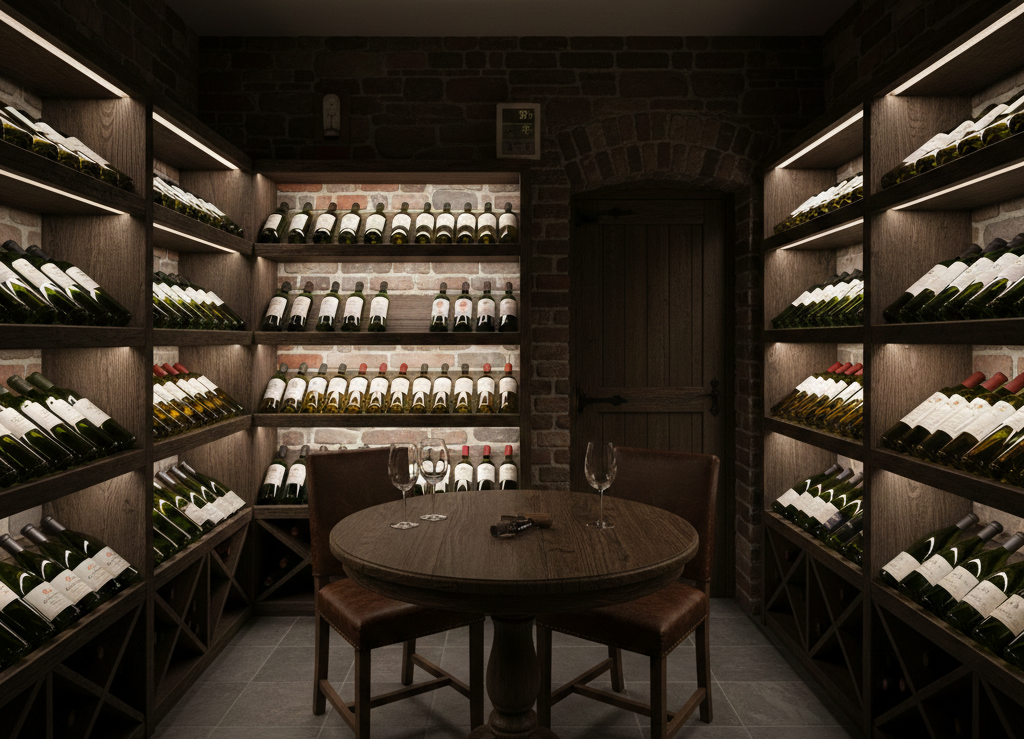
The Data-Backed Solution: Store wine in a "low-traffic" area of the home. Basements are traditional for a reason—they are the most geologically stable parts of a house.
1. You just bought a $100 bottle for a 10-year anniversary. Where is the worst place to keep it?
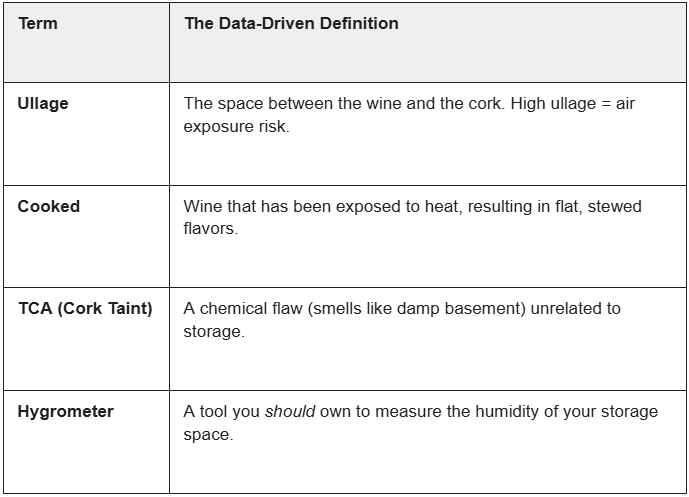
2. You notice the wine level in your bottle is slightly lower than it should be (the "ullage"). This usually indicates:
3. Your wine fridge is set to 55°F, but the power goes out for 4 hours. Is your wine ruined?
Results: (1: B, 2: A, 3: B).
The biggest problem with a growing collection isn't just how to store my wine, but when to drink it. Even in perfect conditions, every wine has a peak.
TheWineOh.app acts as your personal "Inventory Manager":
Whether you have three bottles or three hundred, the way you store your wine determines the quality of the experience when the cork finally comes out. You’ve done the hard work of identifying and buying the perfect bottle—don't let the environment steal the flavor.
By keeping it Cool, Dark, Still, and Sideways, you’re ensuring that the story the winemaker put into the bottle is the same one you tell when you pour it.
.svg)


Influencer
November 19, 2025
Consumers are shifting toward cleaner, additive-free wine experiences. Organic vineyards are proving that sustainable farming can elevate taste and quality. Here’s why clean wines are becoming the new favorite for mindful drinkers worldwide.
Discover More
.webp)
Influencer
November 21, 2025
Beyond cheese and charcuterie, the world of unexpected wine pairings is exploding. From sushi to spicy street food, new combinations are surprising wine lovers everywhere. Discover bold pairings that elevate both the dish and the glass.
Discover More
Influencer
November 19, 2025
Winemakers are blending centuries-old craftsmanship with cutting-edge tech innovations. Smart fermentation, AI-based grape analysis, and climate-controlled aging are reshaping the industry. A behind-the-scenes look at how technology is redefining experience.
Discover More.webp)
Influencer
November 19, 2025
Across the globe, female winemakers and sommeliers are redefining leadership in the wine world. Their creativity, precision, and bold ideas are inspiring a new era of wine culture. Meet the women changing how the world thinks, tastes, and talks about wine.
Discover More


