The Calorie Count: What’s Really Inside Your Glass?



February 24, 2026

Hey there, curious sipper!
Picture this: you're swirling a glass of ruby‑red Cabernet, the aromas wafting up like a cozy hug, and then that little voice in your head pipes up: "Wait a sec… how many calories are we talking here?"
I've been there—loving wine's magic but wondering if it's secretly a calorie bomb hiding behind its elegance. Spoiler: it's not that sneaky, but the numbers might surprise you.
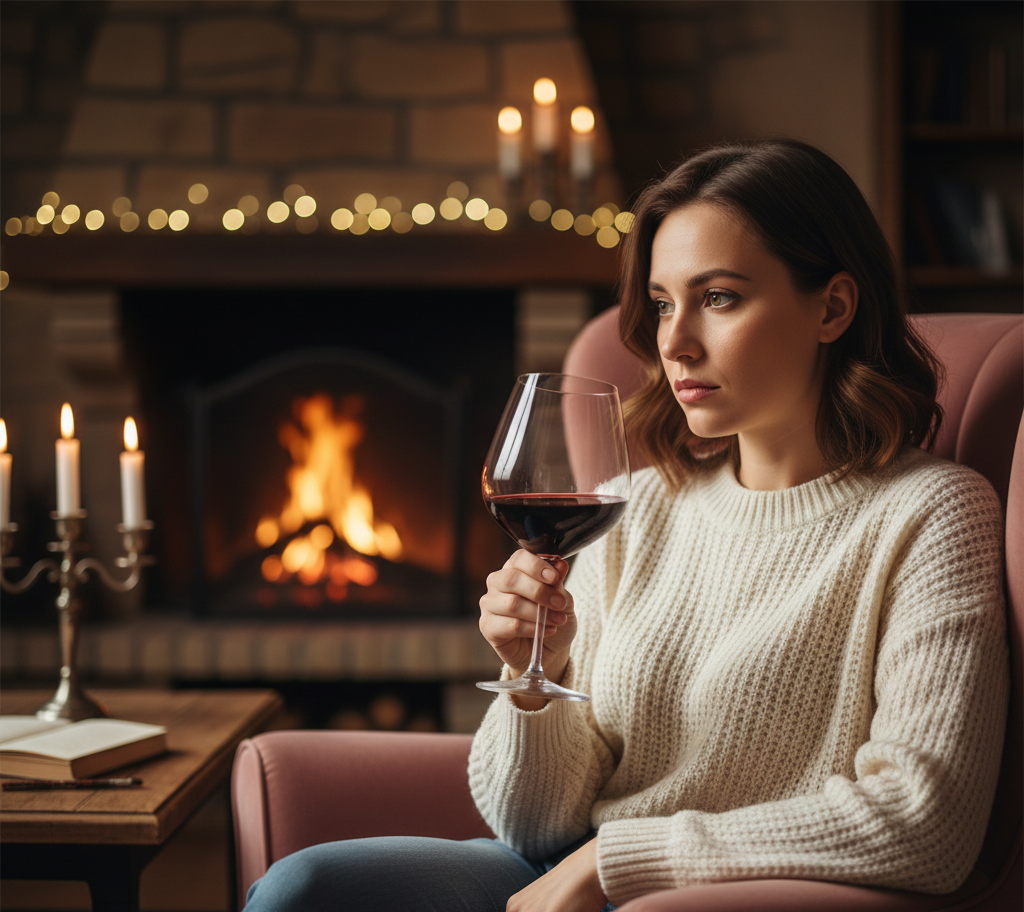
As a fellow beginner who's tallied pours and crunched labels, let's unpack this together—no judgment, just friendly facts and easy takeaways. Whether you're tracking for health kicks, date nights, or just plain curiosity, we'll cover everything from "average glass" math to sweet vs. dry showdowns. Grab your notebook (or app), and let's sip into the science!
Wine's not just H2O and grape fairy dust—it's mostly water (85%), but the calories sneak in from two main spots: alcohol and sugar.
No fat, almost no protein/carbs (except sugar)—pure liquid energy. A standard "glass" is 5oz/150ml (restaurant pour ~6oz), but home free‑pours? Often 7oz sneaky style.
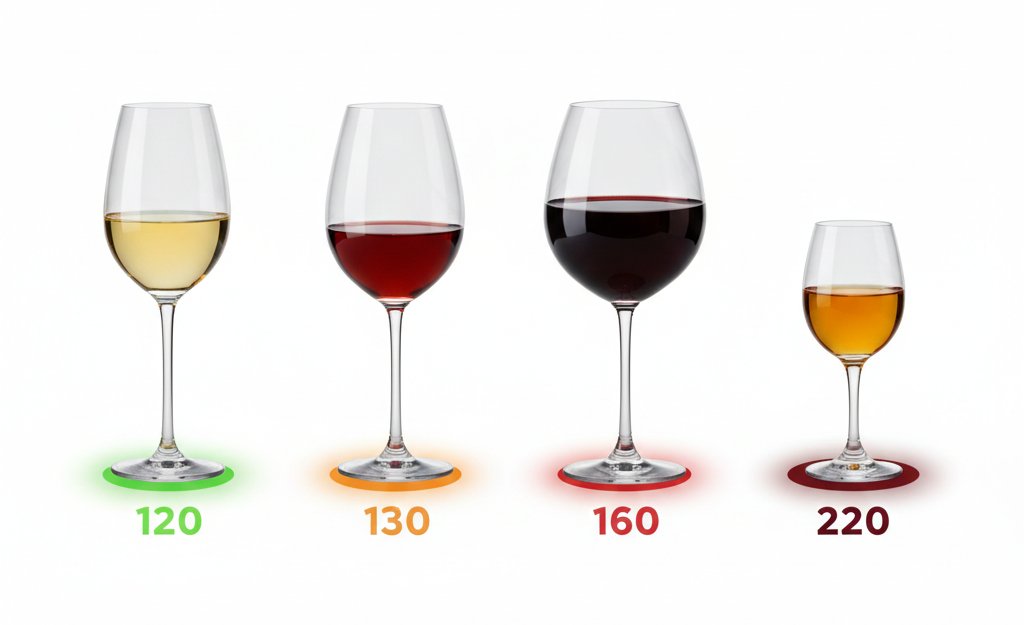
Quick math hook: Average dry wine glass = 120 calories. But let's dive deeper, 'cause that's where the fun (and surprises) live.
Most table wines hover 100-165 calories per 5oz pour—way less than a craft beer (150-200) or margarita (250+), but stacking up if you're on glass #3.
Dry Table Wines (11-14% ABV, <4g/L sugar):
Why the spread? ABV rules: 12% vs. 14% = ~20 cal difference. Pour bigger? Add 25 cal/oz.
Real‑world example: My go‑to Sauvignon Blanc (12.5% ABV, dry)? 119 cal/glass. Happy hour splurge Zinfandel (15%)? 158 cal. Sneaky, right?
Let's chart it like a treasure map—numbers from Wine Folly, USDA, lab tests. (Pro tip: Check labels/apps like Vivino for exacts.)
Crisp, zesty sippers—lowest cal crew.
Beginner win: These chill fast, pair salads—double guilt‑free.
Tannin teams pack more alcohol punch.
Curious note: Reds often higher ABV (California trend)—check that %!
Calories by Style Chart (5oz pour):
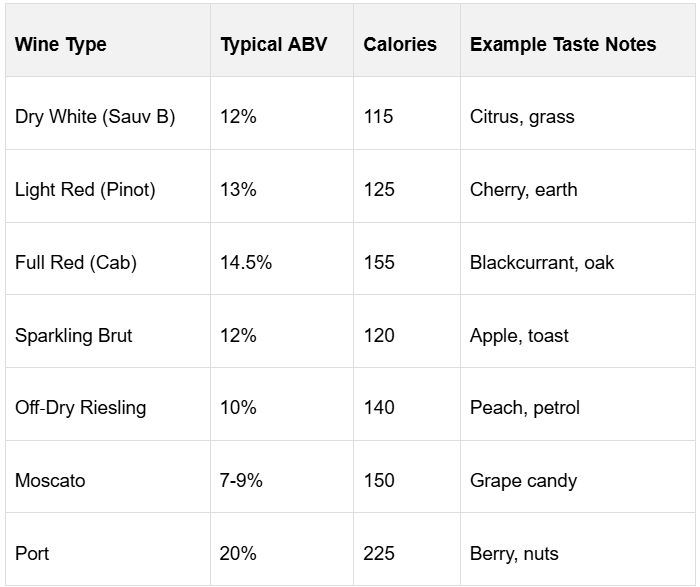
Sparkling: Bubbly Balance (110-140 cal)
Fizz doesn't add cals—ABV does.
Low ABV, high sugar—tricky.
Fortified (Port): Alcohol double‑whammy, 200-250 cal.
"Glass" illusion: Home 6oz average, restaurant 5.5oz, bar "generous" 7oz. Each oz ~25 cal.
Measure first pour (kitchen scale: 150g=5oz). Apps like MyFitnessPal track easy.
Curious context:
Wine edge: Slower sip, pairs meals (satiety boost). 2 glasses dinner < burger meal.
Beyond count: Alcohol metabolism burns fat slower (liver priority). Resveratrol/polyphenols? Antioxidant perks, modest.
Moderation math: 1-2 glasses/day women, 2 men = ~250 cal add. Track totals.
Test drive low‑cal life:
My trial: Swapped Zin for Pinot—saved 30 cal/glass, same joy.
Weekly Tracker Example (2 glasses/night, 5 nights):
Myth 1: "Red wine fattening." Nope—sugar, not color.
Myth 2: "Organic sulfite‑free = low cal." Irrelevant—cal from alcohol/sugar.
Myth 3: "Dry = zero cal." Still ~120 from booze.
Pro: Quarterly "cal audit"—weigh favorites.
Three Tips for the Calorie-Conscious Sipper
If you’re watching the scale but refuse to give up the vine, follow these "Pro-Beginner" tips:
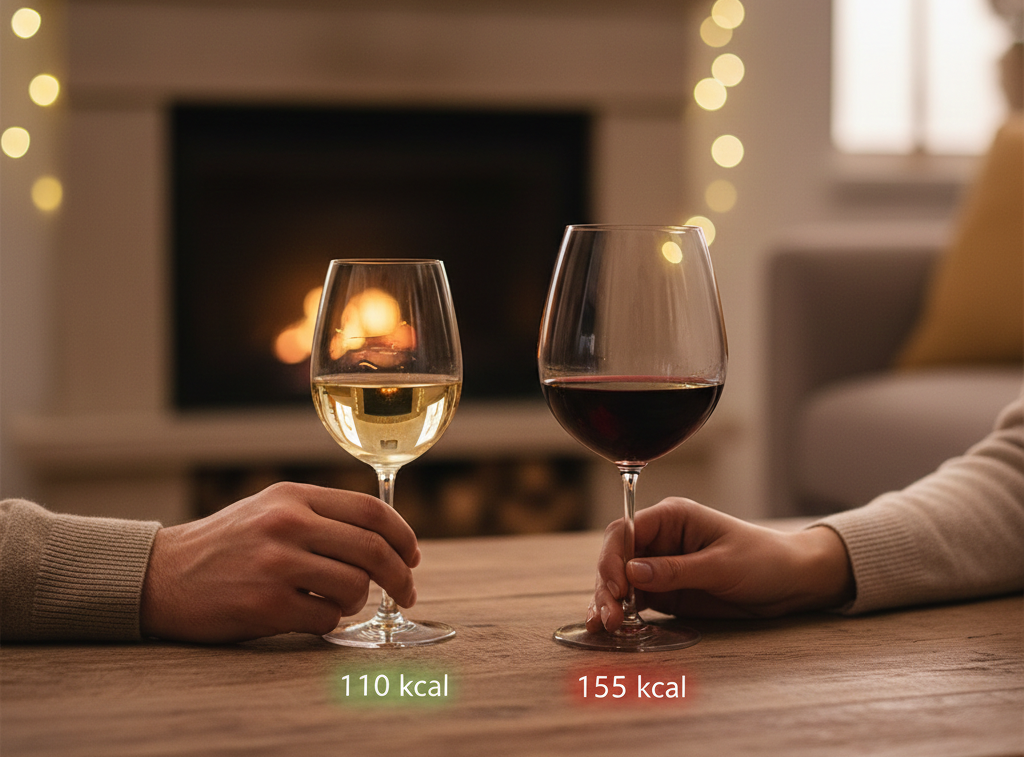
Calories in wine? 100-165 per glass—manageable with mindful pours. It's not diet‑doom; it's data for delight. Next glass, note ABV, taste, feel—build your map. Wine's joy > scale guilt. What's your go‑to?
.svg)


Influencer
November 19, 2025
Consumers are shifting toward cleaner, additive-free wine experiences. Organic vineyards are proving that sustainable farming can elevate taste and quality. Here’s why clean wines are becoming the new favorite for mindful drinkers worldwide.
Discover More
.webp)
Influencer
November 21, 2025
Beyond cheese and charcuterie, the world of unexpected wine pairings is exploding. From sushi to spicy street food, new combinations are surprising wine lovers everywhere. Discover bold pairings that elevate both the dish and the glass.
Discover More
Influencer
November 19, 2025
Winemakers are blending centuries-old craftsmanship with cutting-edge tech innovations. Smart fermentation, AI-based grape analysis, and climate-controlled aging are reshaping the industry. A behind-the-scenes look at how technology is redefining experience.
Discover More.webp)
Influencer
November 19, 2025
Across the globe, female winemakers and sommeliers are redefining leadership in the wine world. Their creativity, precision, and bold ideas are inspiring a new era of wine culture. Meet the women changing how the world thinks, tastes, and talks about wine.
Discover More


