Can Drinking 2 Glasses of Wine a Day Cause Liver Damage? A Thoughtful Look Beyond Headlines




February 1, 2026

Let’s begin quietly, without alarms.
It’s evening. Dinner is done. You pour a glass of wine. Then maybe another. Not recklessly. Not dramatically. Just… routinely. The question doesn’t arrive with the first sip. It arrives later, usually when a headline flashes across your phone or someone casually says, “You know that’s bad for your liver, right?”

And suddenly, a habit that felt civilised feels suspect.
So let’s ask the question properly, without panic and without indulgence:
Can drinking 2 glasses of wine a day cause liver damage?
The honest answer is not a clean yes or no.
It’s a layered answer. And it deserves to be treated that way.
Health conversations around alcohol often swing between two extremes:
Both positions flatten reality.
The liver doesn’t work in absolutes. Neither does human behavior.
So instead of starting with fear or reassurance, we’ll start with how the liver actually functions, then look at what two glasses a day really means, and finally ask the harder, more interesting question:
When does “moderate” stop being mindful and start becoming risky?
Your liver is not fragile. It’s resilient, adaptive, and astonishingly capable.
When you drink wine, your liver:
Here’s the part that often gets missed: The liver recovers in cycles.
Damage doesn’t usually come from one glass, or even one evening. It comes from repeated strain without adequate recovery.
Which brings us to daily drinking.
This question matters more than it sounds like.
A “glass” is not a universal truth. It varies wildly depending on:
In medical terms, one standard glass of wine is roughly:
Many real-life pours are larger.
So when someone says “2 glasses a day,” the liver hears:
This is where nuance enters.
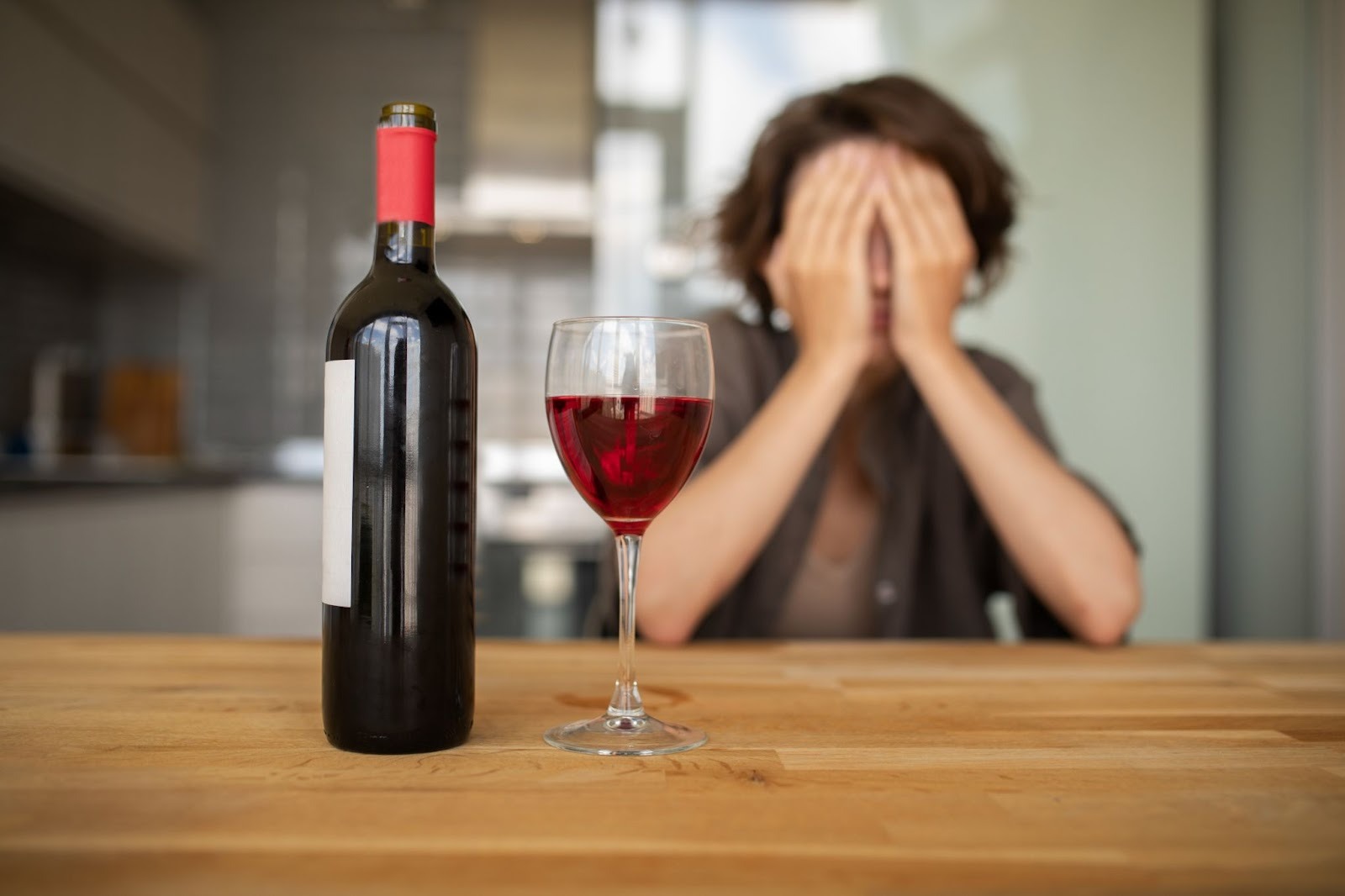
There’s an important distinction that often gets blurred.
Daily drinking means alcohol enters your system every single day, without pause.
Regular drinking allows for rest days, variation, and recovery.
From a liver health perspective, this difference matters.
Even if the quantity seems modest, the absence of alcohol-free days can limit recovery time. Over months and years, that pattern may increase risk, especially when paired with other factors.
The thoughtful answer is this:
For some people, yes. For others, not necessarily.
Liver damage is not triggered by wine alone. It’s influenced by a web of factors, including:
Two people can drink the same amount and experience very different outcomes.
This is why blanket statements fail.
Medical research broadly agrees on a few points:
What’s often overlooked is duration.
Drinking two glasses a day for a year is not the same as doing so for twenty years. The liver keeps score quietly, over time.
Not loudly. Not immediately. Quietly.
Liver damage rarely announces itself early.
It doesn’t start with pain. It starts with silence.
Fatigue.
Brain fog.
Digestive discomfort.
Changes in tolerance.
These signs are easy to dismiss or blame on life. But they’re worth noticing.
Thoughtful drinking is not just about counting glasses. It’s about listening.
Wine occupies a strange cultural space.
It’s framed as:
And because of that framing, habits form quietly.
This is where platforms like TheWineOh.app offer something useful beyond ratings and reviews. When you track what you drink, how often, and how it makes you feel, patterns become visible. Not to judge—but to understand.
Awareness is not a restriction, it’s clarity.
Here’s a reflective pause worth taking:
Ask yourself, honestly:
These answers matter more than numbers.
Because liver health is not only about chemistry. It’s about behavior.
One of the most misleading ideas around alcohol is that moderation equals a fixed quantity. In reality, moderation is dynamic.
It changes with:
Two glasses that felt fine at 30 may feel different at 45. The thoughtful drinker adjusts.
Many clinicians don’t see damage caused by occasional indulgence.
They see damage caused by normalization.
The phrase “I don’t drink much” often hides:
Not recklessness. Just repetition.
No. And pretending it is often backfires. But neither is reassurance without reflection.
A more honest approach sounds like this:
This isn’t about fear. It’s about respect—for your liver, and for yourself.
So, can drinking 2 glasses of wine a day cause liver damage?
It can, over time, under certain conditions.
It doesn’t always, especially when balanced with awareness and breaks.
The real risk lies not in the glass—but in the assumption that routine equals safety.
Wine can be part of a rich, enjoyable life. But like anything meaningful, it asks for attention.
Not anxiety.
Not denial.
Attention.
If this question crossed your mind, that’s not a warning sign.
It’s a sign of thoughtfulness.
And thoughtful drinkers don’t need rigid rules.
They need honest conversations, good information, and the willingness to adjust when needed.
That, more than any number, is what protects the liver in the long run.
.svg)



Influencer
November 19, 2025
Consumers are shifting toward cleaner, additive-free wine experiences. Organic vineyards are proving that sustainable farming can elevate taste and quality. Here’s why clean wines are becoming the new favorite for mindful drinkers worldwide.
Discover More
.webp)
Influencer
November 21, 2025
Beyond cheese and charcuterie, the world of unexpected wine pairings is exploding. From sushi to spicy street food, new combinations are surprising wine lovers everywhere. Discover bold pairings that elevate both the dish and the glass.
Discover More
Influencer
November 19, 2025
Winemakers are blending centuries-old craftsmanship with cutting-edge tech innovations. Smart fermentation, AI-based grape analysis, and climate-controlled aging are reshaping the industry. A behind-the-scenes look at how technology is redefining experience.
Discover More.webp)
Influencer
November 19, 2025
Across the globe, female winemakers and sommeliers are redefining leadership in the wine world. Their creativity, precision, and bold ideas are inspiring a new era of wine culture. Meet the women changing how the world thinks, tastes, and talks about wine.
Discover More


