What’s the Best Wine to Taste? A Gentle Guide to Finding the One You’ll Actually Enjoy


February 1, 2026

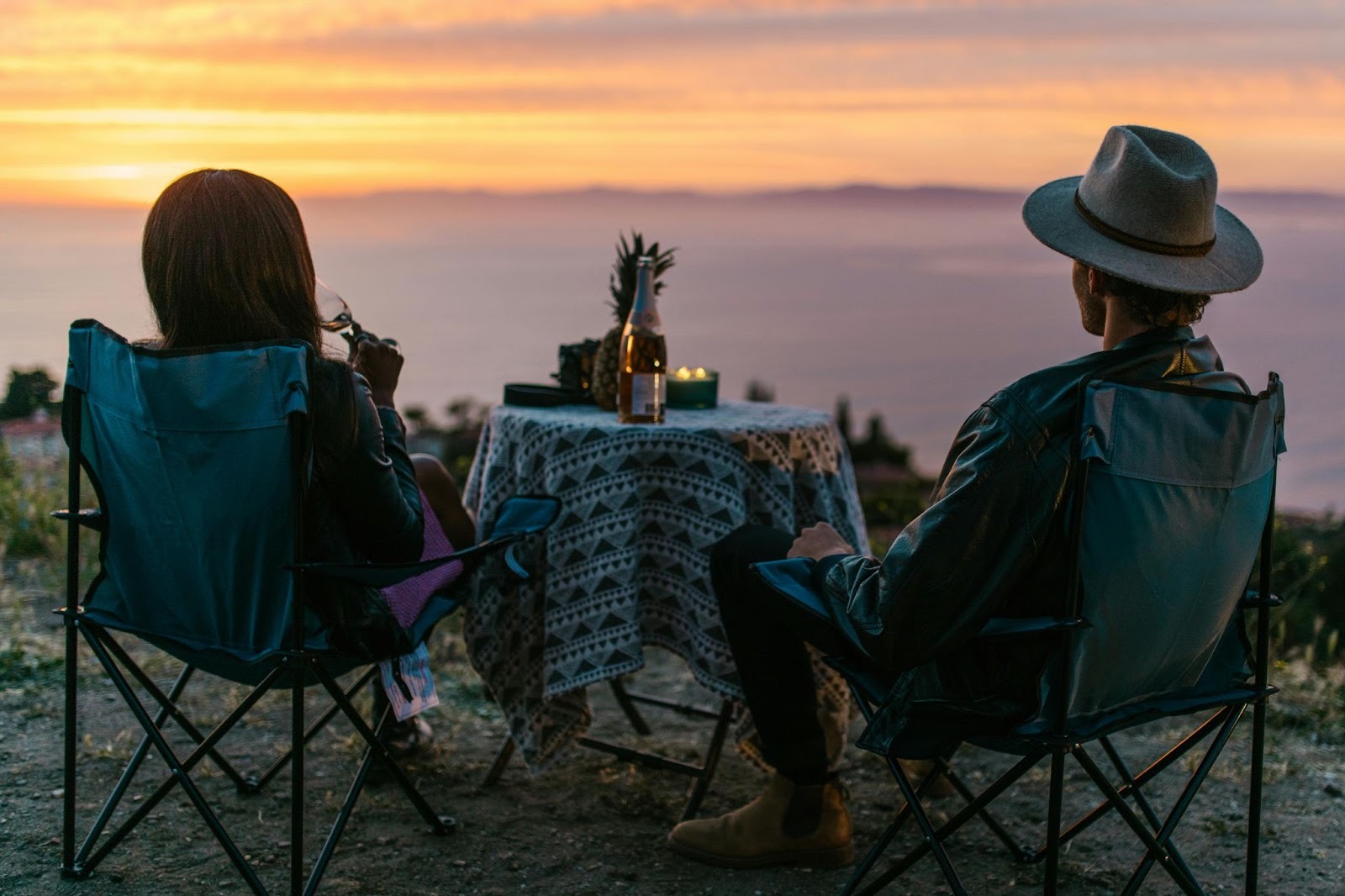
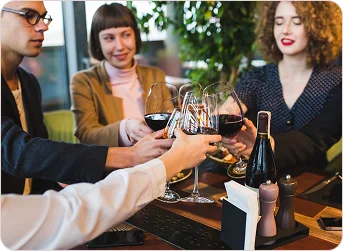
A quiet conversation over a shared glass
Let’s start with honesty. At some point, every wine lover asks this question. Not out loud. Usually in their head. Standing in front of bottles. Or scrolling through reviews. Or attending a tasting where everyone else seems to “get it.”
What’s the best wine to taste?
It sounds like a simple question, but it carries a lot underneath it. Curiosity. Doubt. The desire to do it right.
So let’s gently unpack it together.
Because the truth is, the best wine to taste isn’t a famous label, an expensive bottle, or something everyone else approves of.
It’s the wine that teaches you something about your palate.
Before we talk about specific wines, we need to clear the air.
Tasting wine is not about:
Tasting wine is simply paying attention.
It’s noticing what happens when wine meets your senses. That’s it.
Once you remove performance from tasting, curiosity takes over. And that’s where the best wine experiences begin.
Let’s reframe the question.
The best wine to taste is the one that:
That’s very different from “the best wine in the world.”
For tasting, clarity beats complexity.
Some wines are loud. Some whisper. Some mumble.
When you’re tasting intentionally, you want wines that speak clearly. Wines where flavors are easy to notice, even if you don’t have the words yet.
These wines tend to show:
They’re excellent teachers.
Before you explore new wines, ask yourself:
Your everyday preferences already contain clues.
If you enjoy lemonade, herbal teas, or green apples, crisp whites may be the best wine to taste first.
If you enjoy berries, chocolate, or warm spices, gentle reds are a welcoming place to begin.
White wines are often the easiest place to start tasting.
They’re:
This is often called a “beginner wine,” but that’s misleading. It’s actually a great teacher.
You’ll notice:
It trains your palate to recognize acidity and aroma.
Riesling introduces you to:
It helps you understand that sweetness doesn’t mean simplicity.
For many, Riesling becomes the best wine to taste when learning contrast.
Red wines ask for a little more patience, but they reward it.
Pinot Noir is gentle, not aggressive.
It teaches:
It’s often the best wine to taste if you want to understand nuance.
Merlot is smooth and forgiving.
It shows:
A good Merlot makes tasting feel welcoming, not intimidating.
Rosé and sparkling wines are sometimes treated as “fun” wines, not serious tasting wines.
That’s a mistake.
Rosé teaches:
Sparkling wine teaches:
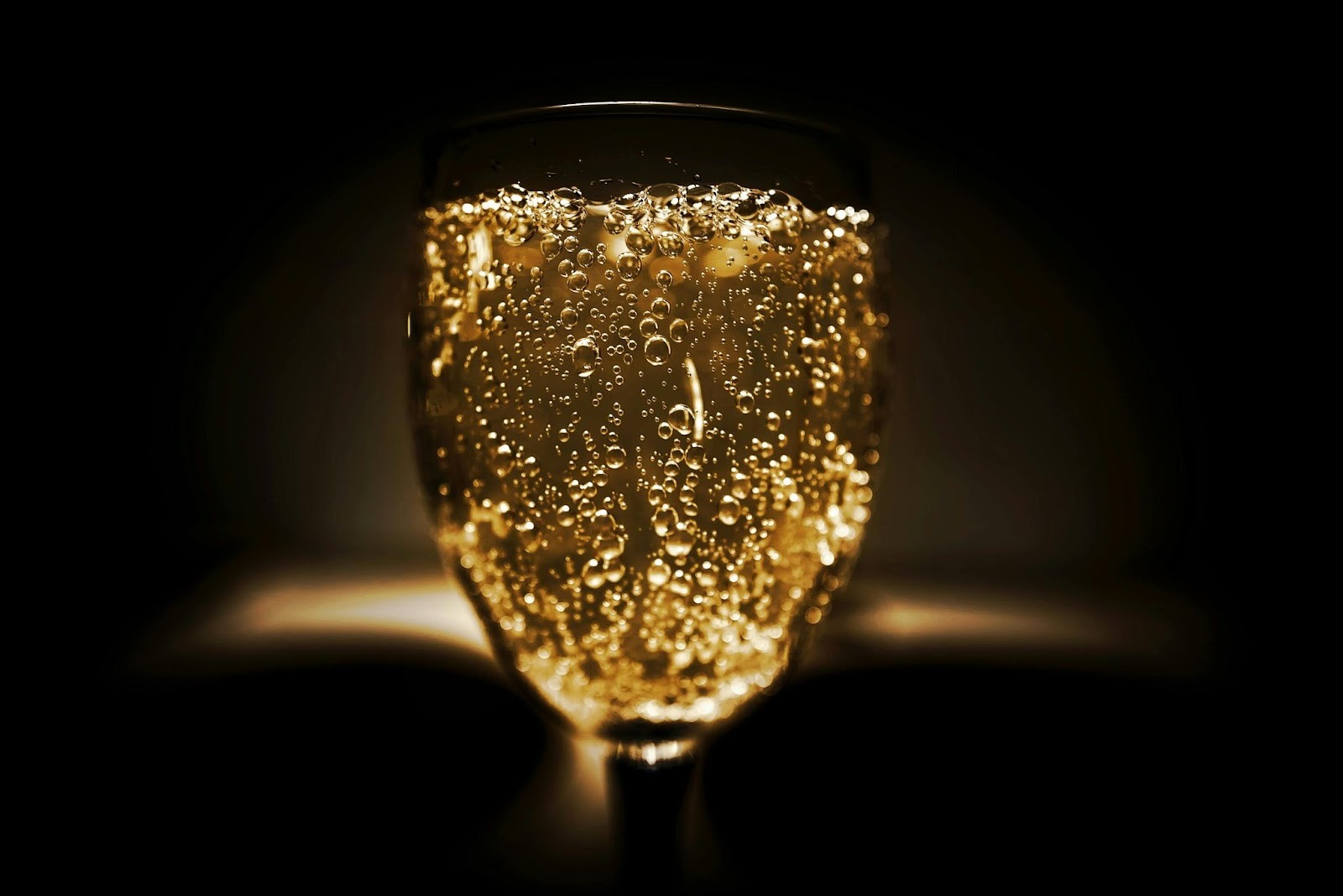
If you want to sharpen your palate quickly, these styles are excellent.
Next time you taste a wine, try this:
- Look at the color
- Smell before swirling
- Swirl and smell again
- Take a small sip
- Notice texture and acidity
- Ask: do I like this?
You don’t need more than that.
No flashcards yet. Just awareness.
You might start noticing:
These observations matter more than naming fruits.
On TheWineOh.app, many tasters find that reading simple wine reviews helps them match words to sensations without pressure.
Food can help or hide flavors.
For focused tasting:
This is not about pairing rules. It’s about noticing contrast.
Answer instinctively.
Mostly A’s → Sauvignon Blanc or Riesling
Mostly B’s → Merlot or Pinot Noir
That’s your next tasting adventure.
Tasting improves when reflection follows.
On TheWineOh.app, you can:
This turns tasting into a conversation with yourself, not a performance.
Over time, the question shifts from what’s the best wine to taste to what do I enjoy tasting most?
That’s progress.
Myth: Expensive wines are better to taste
Truth: Clear wines teach more than complex ones
Myth: You need training
Truth: You need attention
Myth: There’s a right answer
Truth: There’s only your answer
There’s a moment when tasting stops feeling like effort.
You stop trying to impress yourself.
You stop doubting your palate.
You start listening.
That’s when wine opens up.
And that’s why the best wine to taste is often the one that makes you pause and smile, even quietly.

The best wine to taste isn’t waiting on a pedestal.
It’s waiting for your attention.
Choose wines that invite curiosity. Taste slowly. Notice without judgment.
And remember, every glass is teaching you something, even the ones you don’t love.
That’s how confidence grows. One thoughtful sip at a time.
.svg)
Influencer
November 19, 2025
Consumers are shifting toward cleaner, additive-free wine experiences. Organic vineyards are proving that sustainable farming can elevate taste and quality. Here’s why clean wines are becoming the new favorite for mindful drinkers worldwide.
Discover More
.webp)
Influencer
November 21, 2025
Beyond cheese and charcuterie, the world of unexpected wine pairings is exploding. From sushi to spicy street food, new combinations are surprising wine lovers everywhere. Discover bold pairings that elevate both the dish and the glass.
Discover More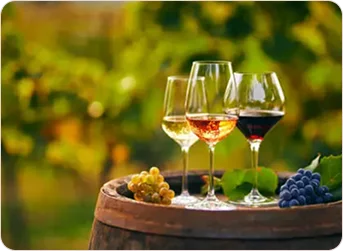
Influencer
November 19, 2025
Winemakers are blending centuries-old craftsmanship with cutting-edge tech innovations. Smart fermentation, AI-based grape analysis, and climate-controlled aging are reshaping the industry. A behind-the-scenes look at how technology is redefining experience.
Discover More.webp)
Influencer
November 19, 2025
Across the globe, female winemakers and sommeliers are redefining leadership in the wine world. Their creativity, precision, and bold ideas are inspiring a new era of wine culture. Meet the women changing how the world thinks, tastes, and talks about wine.
Discover More


